The Practice of Conscious Pausing
You often react before you have even felt what is happening. Conscious pausing gives you a slice of time that can rescue energy, focus, and choices.
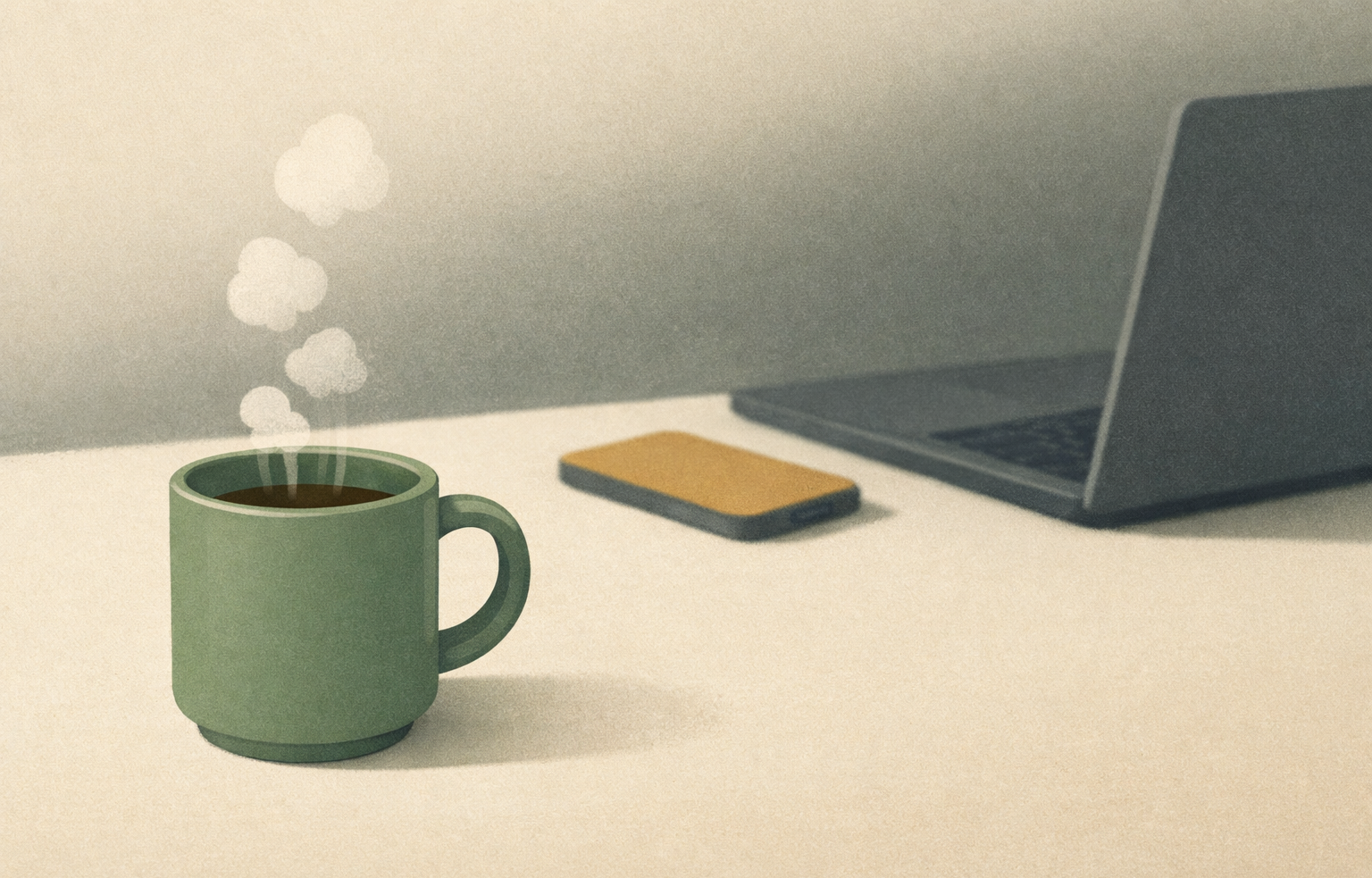
You fire off a reply, then reread it and feel your stomach drop. Or you say yes to a request, hear yourself agreeing, and already know you will regret it. The gap between impulse and action feels almost non‑existent.
Conscious pausing is the habit of protecting that gap. You let yourself feel the surge, notice it, and delay your response by a few breaths so your actions match who you want to be.
What Conscious Pausing Is Really For
You pause thousands of times a day without noticing. Your browser hangs, and you wait. A kettle boils, and you stand by. Those pauses are empty. Conscious pausing is deliberate.
You introduce an intentional stop right before you act, speak, or decide, especially when your body is tight or your mind feels hot. In those seconds you notice the emotion, stay in contact with it, and make enough room to choose your next move.
The loaded moment
Think of three common moments:
- Your phone lights up with a sharp message.
- A colleague questions your work in front of others.
- Someone you care about uses a tone that hits an old bruise.
Your body responds instantly. Shoulders tense, jaw clenches, heart rate jumps. That is your nervous system loading a prewritten script: defend, attack, escape, appease.
Without a pause, the script runs. You send the snappy text. You shut down. You agree to something that drains you for a week.
With a pause, you still feel all of that, but you do not have to act on the first script that shows up. You are giving your thinking mind a fighting chance to participate.
There is a well-known line, usually credited to Viktor Frankl, about a space between stimulus and response. Conscious pausing is how you find that space on an ordinary Tuesday.
A small practice, not a personality change
Nobody becomes a different person by doing this, and calm in every situation is too much to ask of anyone. Conscious pausing is more modest.
You keep your existing reactions and add a checkpoint before they turn into behavior. Over time, that checkpoint starts to appear on its own in places where you used to move straight from feeling to action.
You will still snap sometimes, agree too quickly, or avoid a hard conversation. You do catch yourself more often, and earlier in the chain, when a small adjustment still helps.
How Pausing Protects Your Energy And Focus
Self‑control usually gets filed under willpower, as if the fix were more discipline. Often you are worn out from reacting all day.
The hidden bill of reactivity
Every reaction costs:
- You replay that tense conversation in your head for hours.
- You draft and redraft an email you fired off too quickly.
- You spend the weekend recovering from something you said yes to on autopilot.
The moment itself is stressful, and then the aftermath goes on draining your attention for days.
Conscious pausing acts like a circuit breaker.
It cuts emotional spillover. When you pause, feel the surge, and respond with half the intensity, you reduce how much that moment leaks into the rest of your day. You are still affected, but less flooded.
It lowers decision fatigue. You spend less time repairing, apologizing, or re‑deciding. Once you answer from a settled place, you usually do not need to revisit the choice.
It protects deep work time. A single reactive reply can pull you into a long thread, and suddenly your focus block is gone. Cal Newport writes about attention residue, the part of your mind that stays stuck on the last thing you switched away from. A ten‑second pause on whether to engage at all can keep your most focused hour clean.
One reactive moment versus one protected block
Picture yourself sitting down for ninety minutes of planning. Ten minutes in, a client sends a frustrated message. If you respond instantly, you enter a back‑and‑forth, check old files, and spend the rest of the morning putting out that fire. If you pause, breathe, and tell yourself, “I will respond after this block,” you still feel the tug, but your day stays anchored.
Pausing takes very little time: two or three breaths, or a sip of water. You trade those seconds for hours of reclaimed attention.
Over weeks, those trades compound. Three or four pauses in a day can mean one fewer escalating argument and one less evening spent replaying what you wish you had not said. Your calendar still looks the same from the outside, but your inner experience of that same day is less frayed.
Why Micro-Pauses Change Your Future Self
You might wonder how a few breaths today could have any real impact a year from now. The moments feel small, and you forget most of them by evening.
Scripts your nervous system learns
Your brain is always learning: “When this happens, that follows.” If every sharp comment leads straight to a counterattack, your nervous system treats that as the default chain. If, instead, sharp comments are often followed by a brief stillness, then a measured reply, your system starts to expect that pattern.
Each micro‑pause is a vote for a different future script, cast through plain repetition: event, breath, choice.
Future you then inherits those scripts. The pause that feels forced today starts to appear on its own when you are tired or rushed. What began as conscious effort becomes a reflex that protects you.
Consistency without a streak
Habit advice tends to measure consistency in streaks: never missing a workout, meditating every day. Conscious pausing cannot be tracked that way, because you do not choose when the hard moments arrive.
Some days you will pause many times, other days barely at all. A perfect streak is out of reach and beside the point. You keep reintroducing the gap, again and again, in real situations that cost you something.
You build a kind of emotional stamina: you can feel more without needing to act instantly. That capacity shapes how you handle bigger decisions later, even if you never tracked a single streak on an app.
The Four-Breath Pause
A short, repeatable script works better under stress than a complex protocol you cannot recall. You want something you can run when you are annoyed in a grocery line or standing in a doorway about to say something sharp.
You can use a four‑breath pause.
Notice the hit. The email, the comment, the request lands. You catch the physical sign: a jump in your chest, a hot face, a hollow drop in your stomach.
Anchor on the body. Place your attention on one sensation: air moving at your nostrils, your feet pressing into the floor, or your hands touching each other. Keep your eyes where they already are. No one has to notice.
Take four slow breaths. Count each exhale in your head. Do not try to fix anything. Stay in contact with the sensation for those four breaths.
Ask one question. After the fourth exhale, give your mind a short prompt: “What would I be proud of later?” or “What am I trying to protect here?” Let the answer be practical.
Then you act. You reply, decline, or step away, and the action has passed through one extra filter.
How it feels when you first try
At first, this will feel awkward, and you will forget in the moments you most need it. That is normal. You are training a muscle in your attention, and muscles start weak.
You might also notice an awkward gap in conversations. Someone says something charged, you breathe, and there is a short silence. That silence can feel unbearable. Over time, it becomes a familiar, even comforting, part of how you relate.
Jon Kabat-Zinn describes mindfulness as paying attention on purpose, in the present moment, without judgment. The four‑breath pause is that definition, shrunk to a few seconds, pointed directly at the moments that usually run you.
Using Pauses In Real Situations
General advice sounds reasonable, then disappears when you are angry or anxious. It helps to picture specific scenes.
The heated message
You open a message full of accusations. Your fingers move toward the keyboard before you even read the second paragraph.
Four‑breath pause:
- Notice: chest tight, shoulders rising.
- Anchor: feel your fingers on the keys without typing.
- Breathe four times.
- Ask: “Do I want to win this moment or solve the problem?”
You might still write a firm reply. You might also decide to acknowledge one valid point instead of refuting every line. The tone of your message shifts. The thread often ends sooner.
The on‑the‑spot request
Your manager asks if you can “quickly” take on another task. You hear yourself about to say yes while your calendar is already full.
The sign this time is a flicker of panic and shallow breath. You feel your feet on the floor, take the four breaths, and ask, “What is true about my capacity this week?”
You can answer, “Let me check my current deadlines and get back to you this afternoon.” You still might agree, but you will do it with eyes open and clearer boundaries.
The familiar argument
A family member makes a comment that has led to the same argument twenty times. Your script is ready.
Your face heats up and you want to interrupt. You press your tongue against your teeth, breathe, and ask whether repeating your usual line is going to change anything.
You might decide to say, “I do not want to get into that topic right now,” then change the subject or leave the room. That choice costs you discomfort in the moment, but saves you the longer emotional hangover.
You will not always choose the wiser path, even with a pause. You will choose it more often, and over weeks your days contain fewer avoidable fires.
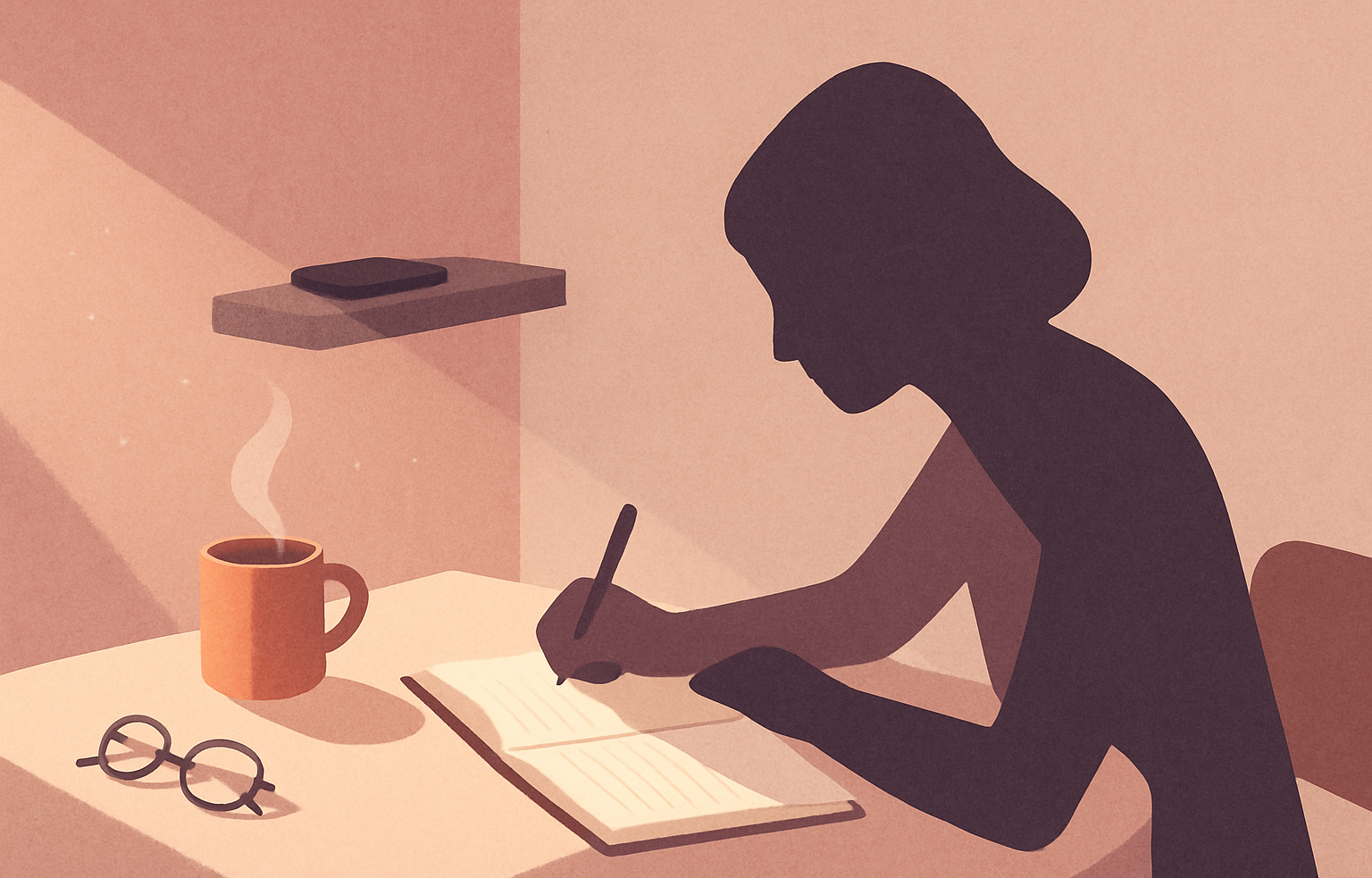
If you want to pair this with a written practice, you can borrow a light version of the reflection you use in journaling or in a weekly review. Once a day, note one moment where you did pause and one where you reacted, plus how each played out. That brief look back teaches your nervous system that the pause is worth the effort.
When Pausing Is Not The Right Move
You can also overuse pausing. You might start to doubt every instinct or delay decisions that need to be made quickly.
There are times to move without ceremony:
- A car swerves toward you.
- A child is about to fall.
- A clear, long‑planned opportunity appears and you feel a clean yes.
In those cases, your fast, automatic system is doing its job. Daniel Kahneman describes this as system 1 thinking, the quick, intuitive mode that usually serves you well in familiar or urgent situations.
Overthinking can create its own regret. If you pause before every email, every short reply, every minor calendar adjustment, you add friction to a day that already contains many micro‑choices. Your mind gets tired from scrutiny.
A rule of thumb
A rough guideline:
- If you feel physical activation plus social stakes, pause.
- If the action is a small, reversible step, move.
Saying yes to lead a long project: pause. Hitting “like” on a post: no need. Speaking to your partner about something loaded: pause. Choosing between two shirts in the morning: pick one and walk away.
Save conscious pausing for the places where consequences and emotions both run high. You train in those arenas so that, over time, some of your wiser responses become the new automatic scripts.
If you already struggle with indecision, you can use a closing rule. Give yourself one pause, then commit to a move. That keeps pausing from becoming a hiding place.
Today’s Practice
Choose one situation that usually pulls you into regret, such as sharp messages, pressure to say yes, or a familiar argument. The next time that specific scene appears, use a four‑breath pause before you respond.