Energy
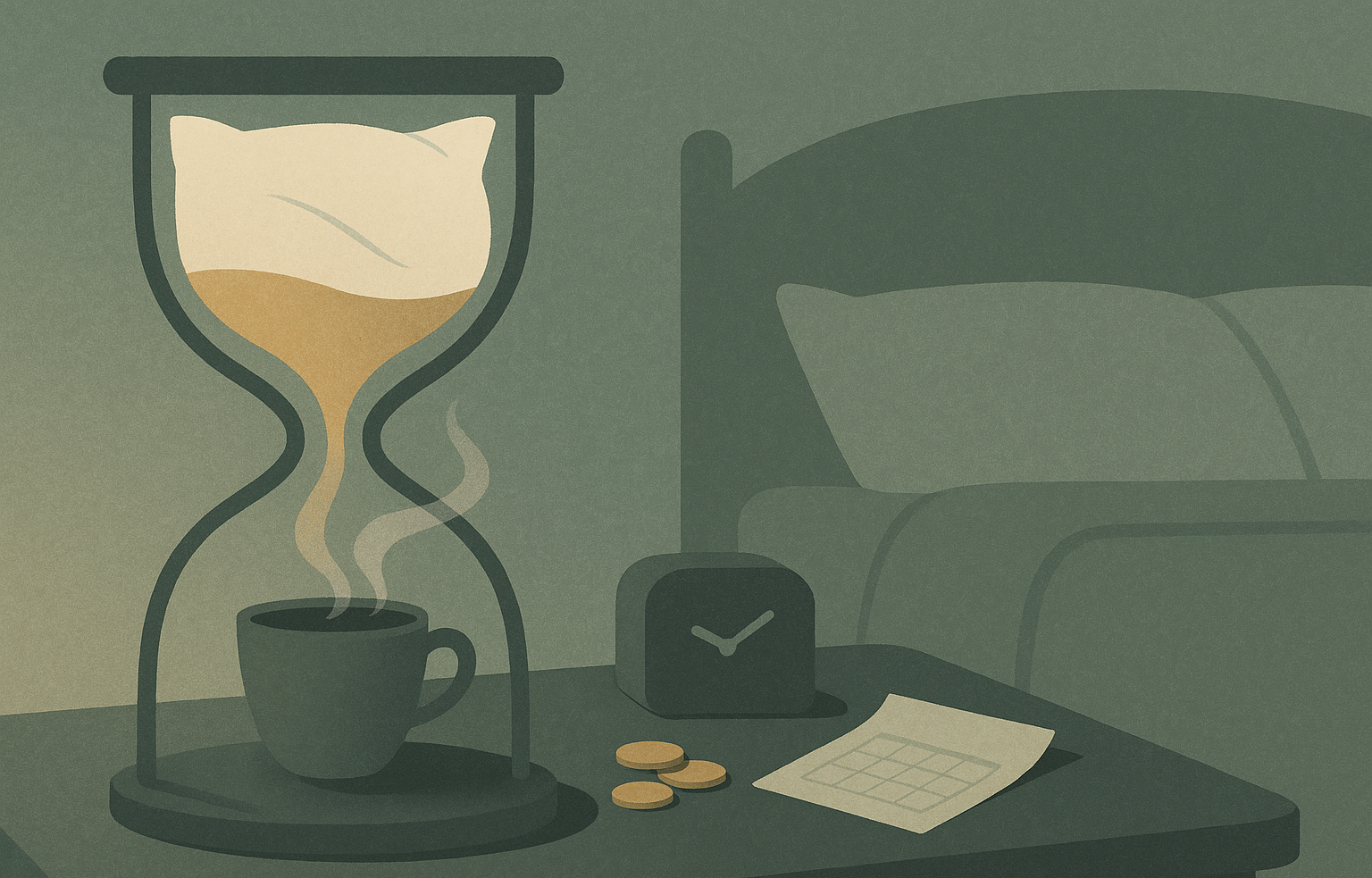
On rest, vitality, and the unglamorous craft of staying steady through hard seasons. Energy is the foundation the other zones rest on — without it, focus thins and resolve fades.

On rest, vitality, and the unglamorous craft of staying steady through hard seasons. Energy is the foundation the other zones rest on — without it, focus thins and resolve fades.

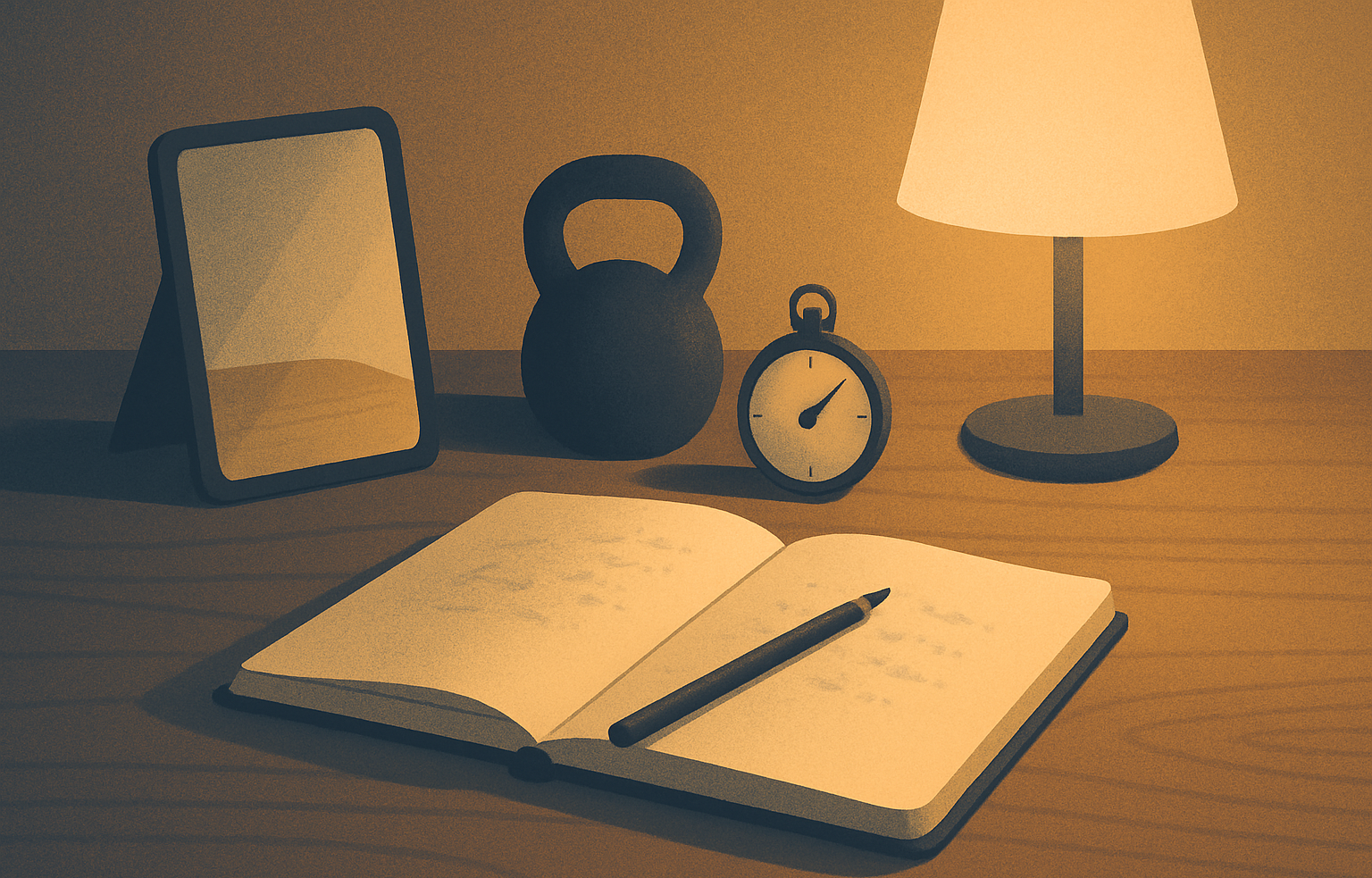
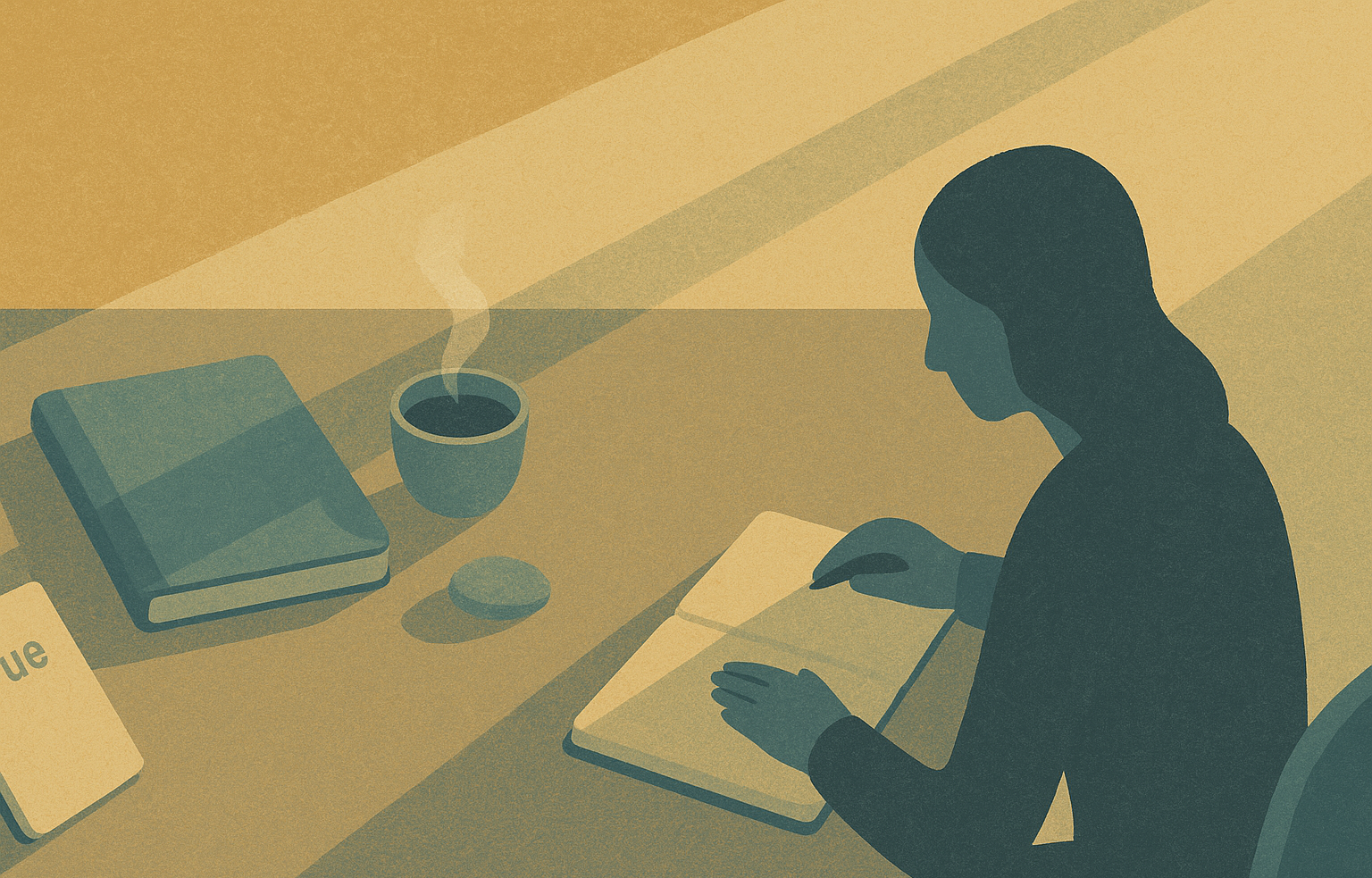
Journaling is not a diary of events. It is a private gym where you lift thoughts, train attention, and build the strength to see your life clearly.

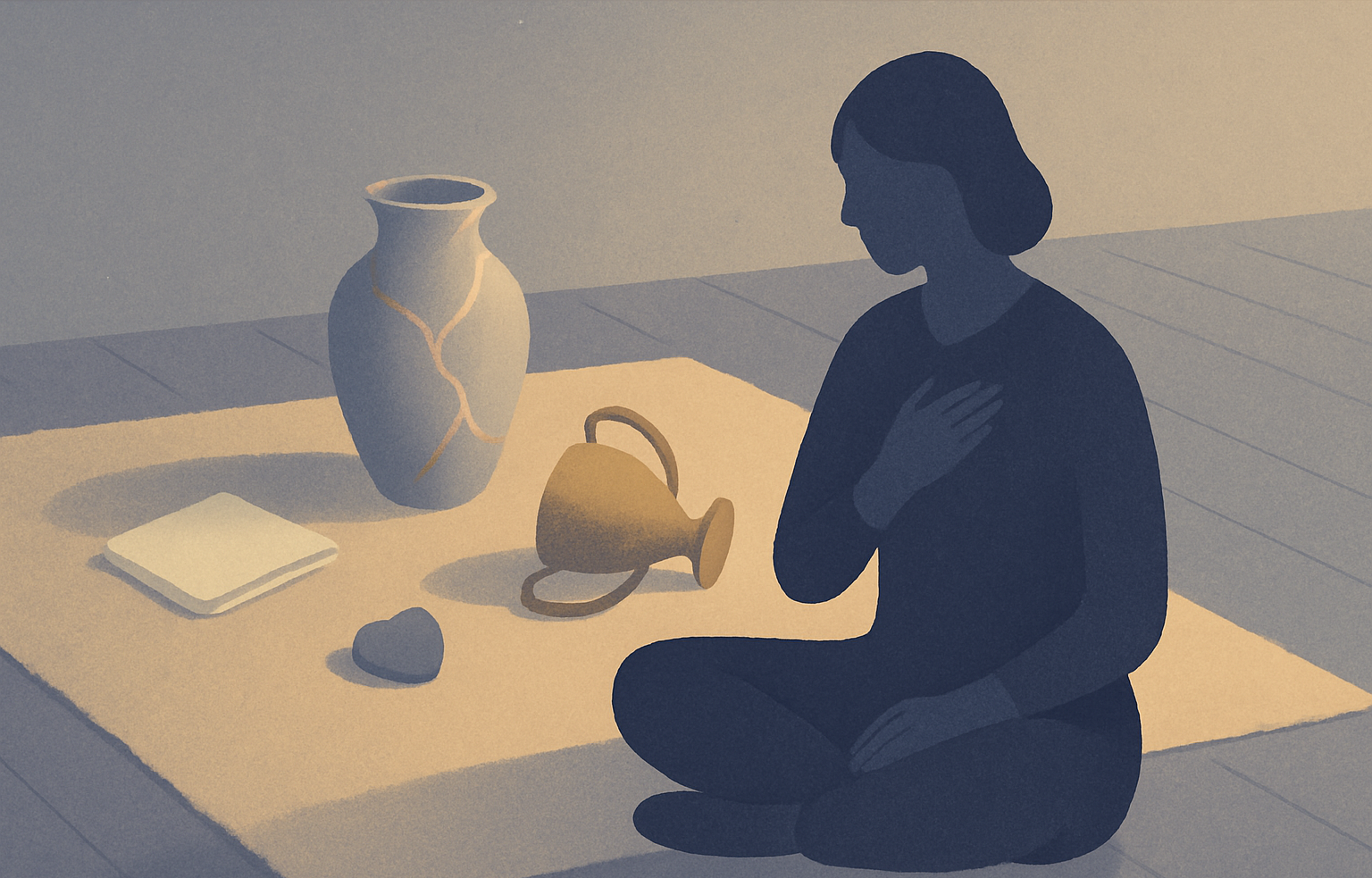
Self-criticism looks like discipline, but it quietly drains focus, energy, and courage. Learn how self-compassion can make your output more stable.

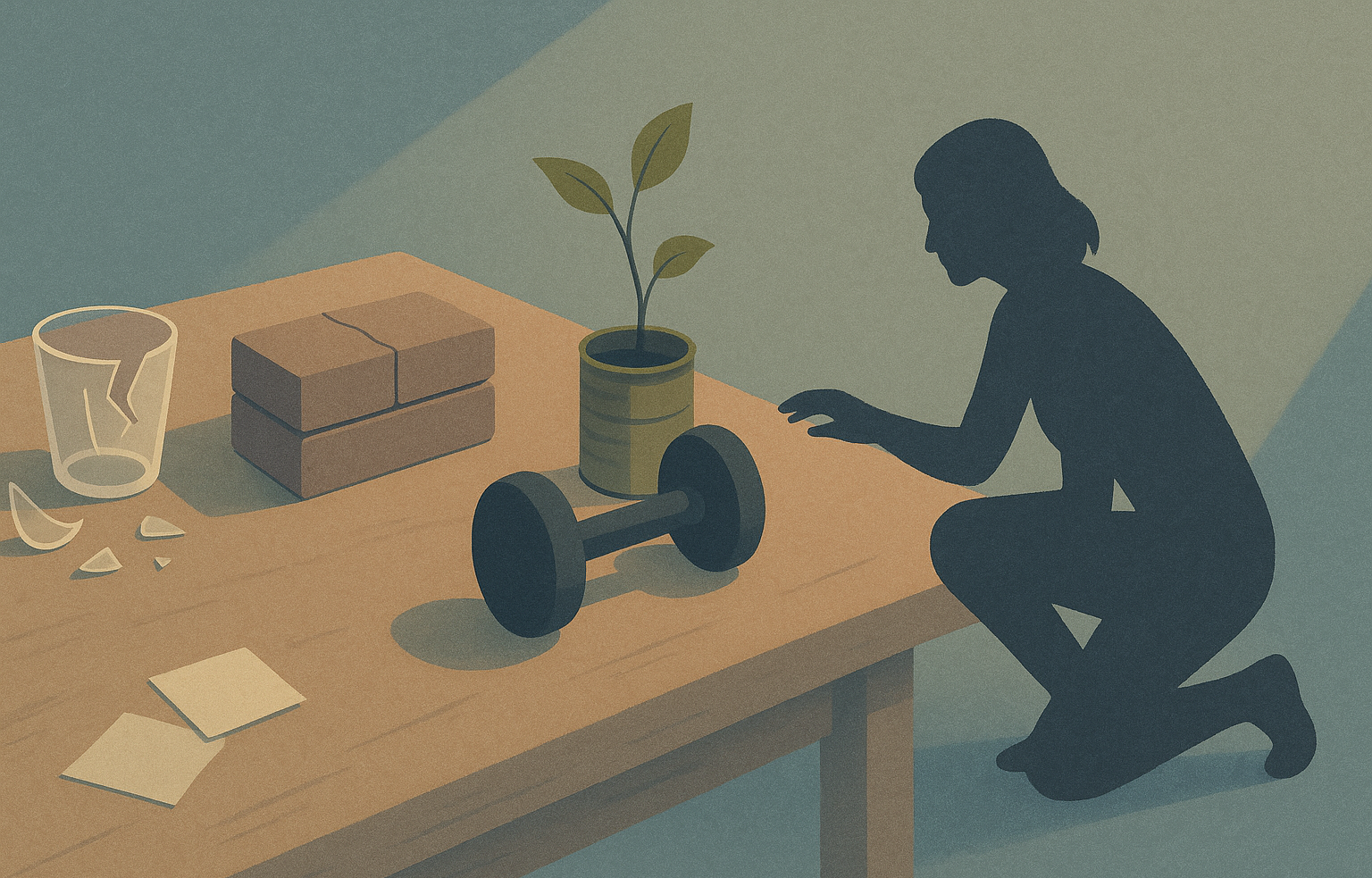
Your habits work on calm days, then fall apart when life gets messy. Anti-fragile habits not only survive chaos, they grow stronger each time they are tested.

You keep fixing your calendar, but the real problem is your battery. When you match your work to your energy instead of the clock, everything changes.

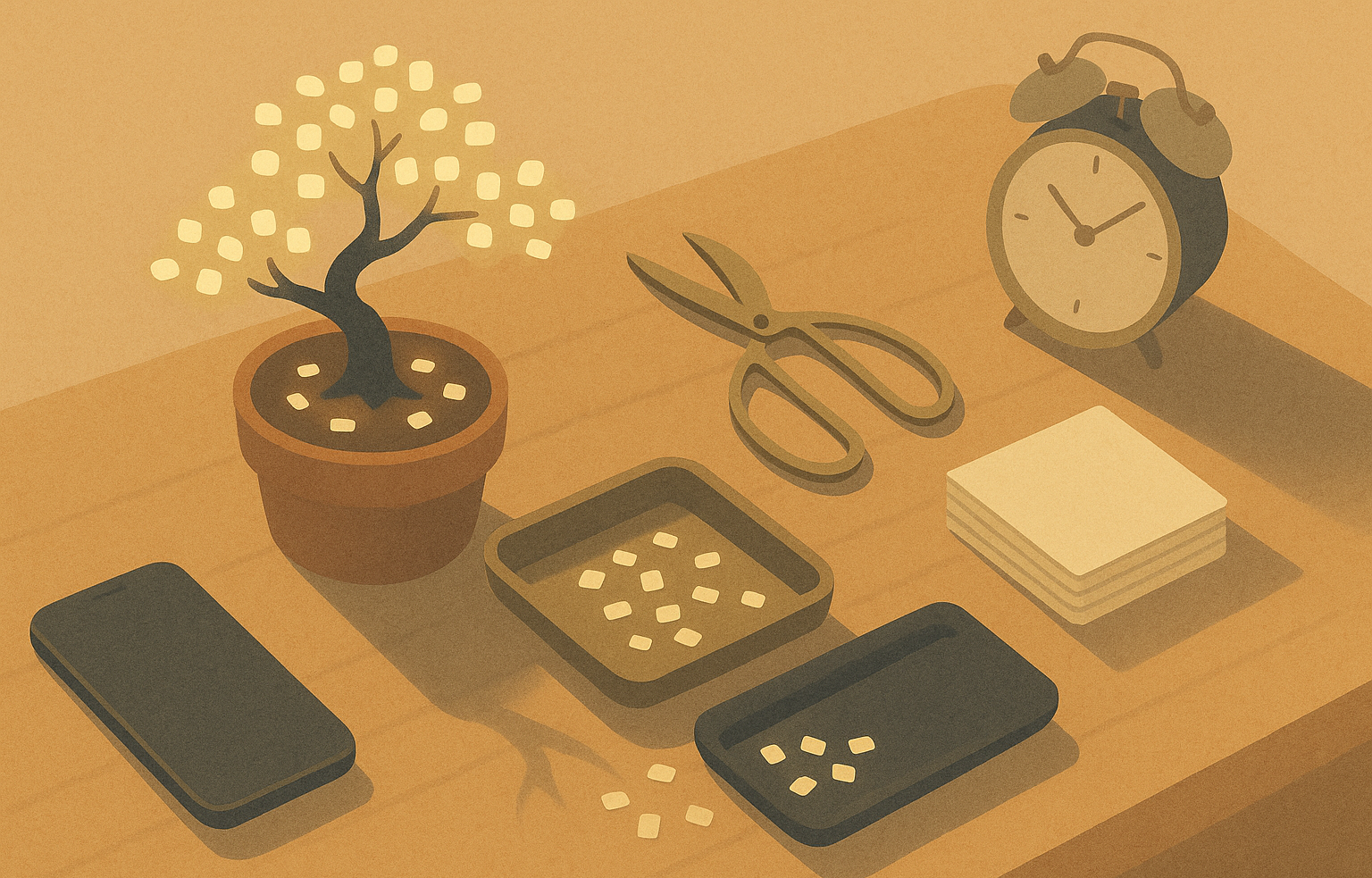
Your brain is not a browser with endless tabs. Single-tasking is a skill you have to rebuild, one focused block at a time, after years of constant switching.

Most morning routines try to squeeze more tasks into your first hour. You need something simpler: a stable starting state you can actually repeat.

Big goals are loud and exciting; small habits are quiet and boring. Yet it is those tiny, repeated actions that quietly compound into real change.

When we direct our attention to specific tasks, goals, or thoughts, our energy naturally follows, leading to growth and progress in those areas.

Stop waiting, start taking action; now.

A Guide to the Good Life argues that Stoicism can be rebuilt as a modern life strategy through negative visualization, the dichotomy of control, voluntary discomfort, and the cosmic view from above.

Atomic Habits argues that identity-based change, built from tiny behaviors that run through a cue–craving–response–reward loop, outperforms chasing outcome-based goals.

Awaken the Giant Within argues that lasting change comes from mastering your mental, emotional, and physical state through deliberate decisions, beliefs, and identity-level shifts.

Daring Greatly argues that vulnerability, or showing up without armor in the face of uncertainty, is the precondition for real connection, courage, and creative work.

Digital Minimalism argues that you should choose digital tools intentionally around your deepest values, using a 30‑day declutter to reset your relationship with attention-hungry products.

Discourses and Enchiridion argues that our judgments, intentions, and desires are the only things truly in our power, and that freedom comes from training this distinction relentlessly.

Flow argues that optimal experience arises when challenge and skill meet at the edge of our abilities, creating an autotelic, immersive state where time falls away.

Grit argues that long-term success depends more on sustained passion and perseverance than on raw talent or quick wins, and that these qualities can be deliberately cultivated.

Letters from a Stoic distills 124 letters into specific Stoic advice on time, friendship, anger, fear, and death, urging us to practice philosophy as a daily discipline.

Man's Search for Meaning argues that meaning, not pleasure or power, is our primary drive, and that we can find it in work, love, or how we face unavoidable suffering.

Meditations is a Roman emperor’s private journal of Stoic practice that teaches you to focus on what is in your control, accept what is not, and act according to virtue in every moment.

Nonviolent Communication argues that a four-part frame of observation, feeling, need, and request can turn reactive conflict into honest, connected dialogue.

Nudge argues that the way choices are structured and defaulted quietly shapes our behavior far more than information or incentives, and that small design tweaks can steer better decisions without taking away freedom.

Self-Compassion argues that self-kindness, common humanity, and mindful awareness form a sturdier foundation for resilience than self-esteem ever did.

The Tao Te Ching claims that the way that can be named is not the eternal way, and that effortless action, softness, and yielding quietly outperform force.

The Body Keeps the Score argues that trauma lives in the body as much as in the mind, so real healing demands somatic, relational, and cognitive work instead of talk therapy alone.

The Daily Stoic presents 366 brief Stoic meditations, one per day, grouped around perception, action, and will to turn philosophy into a lived, daily practice.

The Obstacle Is the Way argues that three Stoic moves – perception, action, and will – can turn any impediment into the path of progress and growth.

The Power of Habit argues that habits run on a cue–routine–reward loop, and that by identifying the cue and the reward, you can deliberately swap in a better routine.

You cannot avoid suffering, only choose what kind you are willing to endure, so pick problems worth caring about and deliberately let go of the rest.

The Willpower Instinct argues that self-control is a physical, limited capacity shaped by sleep, food, breathing, stress and self-compassion, not just discipline.

When Things Fall Apart argues that leaning into groundlessness, instead of scrambling for certainty, turns fear and pain into doorways to wakefulness.

Why We Sleep argues that sleep is not optional: chronic sleep loss quietly damages immunity, mood, learning, decision-making, and longevity across your entire life.

Words Can Change Your Brain argues that specific words and conversational habits measurably shift neural activity between threat circuits and the brain’s empathy and reasoning centers.