The Hidden Value of Boredom
You reach for your phone at the first hint of boredom; that empty space is where clearer thinking, unresolved feelings, and quiet decisions slowly begin to form.
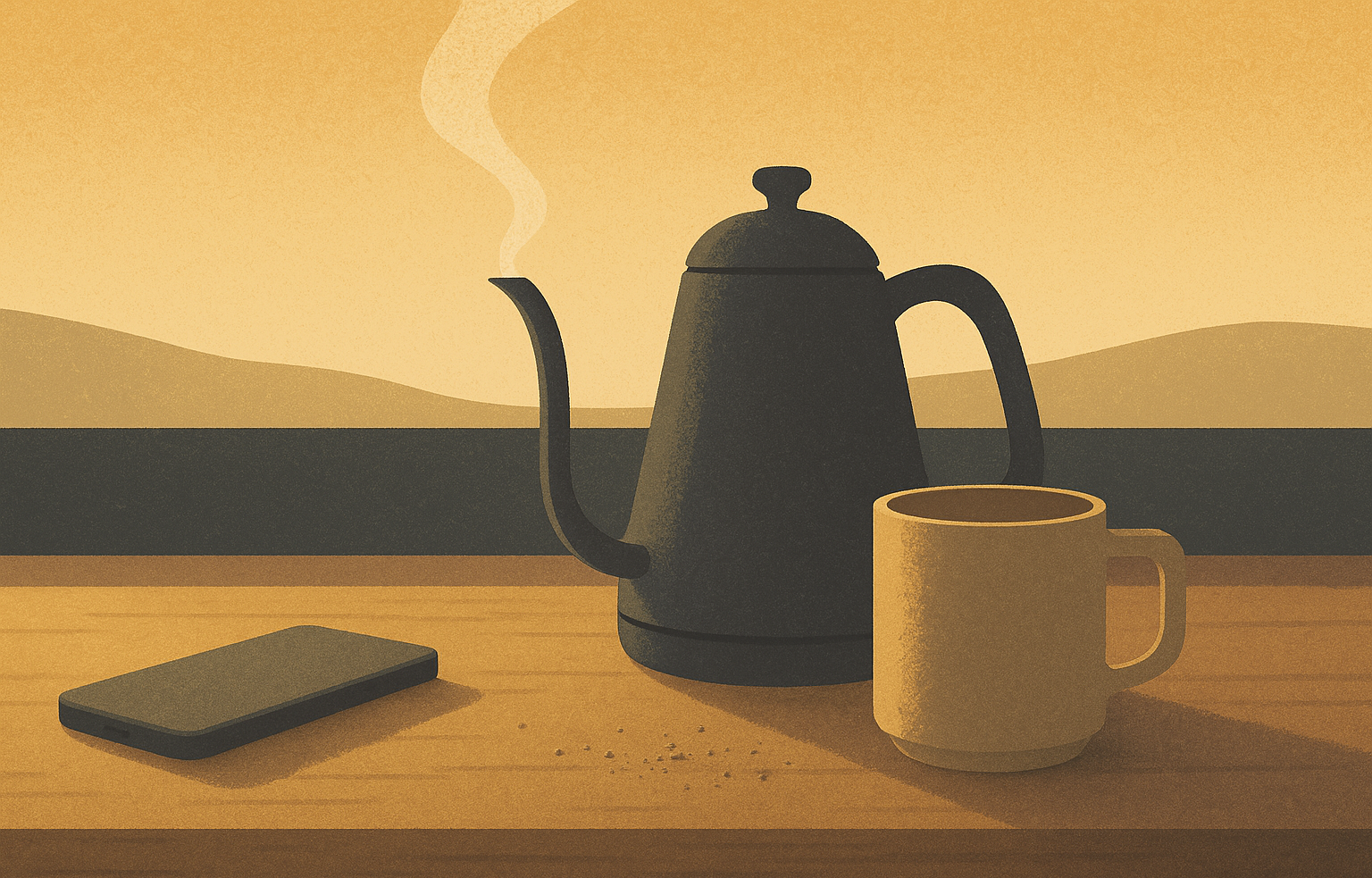
When You Never Let Your Mind Be Empty
You wait in a line, open your phone. You sit on a train, open your phone. You stand in your kitchen for ten seconds, open your phone again. Every gap gets filled, and your own thoughts have nowhere to land.
What Your Brain Does When “Nothing” Is Happening
If you watch yourself in a truly unstructured moment, your attention does not stay blank for long. Your mind starts to:
- Rehearse an upcoming conversation
- Revisit something that felt off at work
- Drift to an old memory
- Jump to an idea for a project, joke, or solution
It feels like aimless wandering, but there is a loose pattern. Your brain keeps circling around unfinished problems, emotions, and ideas.
Mihaly Csikszentmihalyi wrote about flow, those absorbed states where challenge meets skill. Boredom sits at the other side of the graph. When the challenge of the moment drops too low and stimulation fades, you slip into a quiet default mode. That mode is not glamorous, yet it is where raw material for later focus often appears.
Imagine spending the morning drafting a tricky email. You get stuck halfway, read it three times, and still cannot find the right tone. You give up for now, walk to the kitchen, fill the kettle, and stare at the counter while the water heats. In that idle pause, the sentence you were struggling with suddenly clicks into place. You did not sit down to think harder. Your brain used the blank space.
You already know this pattern from showers, walks, and late-night thoughts. The problem is not that your brain cannot still work this way. The problem is that you interrupt it before it has a chance to start.
How Constant Stimulation Drains You
Boredom used to feel uncomfortable. Now it feels almost intolerable. You feel a micro-twitch to check something the moment the external input drops.
That habit has a cost.
You lose mental compost.
Ideas need time in the dark. When you feed your brain only fresh content, you never give it the pause to decompose experience into insight. You keep consuming instead of digesting.Your attention gets brittle.
You train yourself to expect a new stimulus every few seconds. Long paragraphs, long meetings, and long conversations start to feel heavy. It is not that they are heavier. Your tolerance has just shrunk.Your baseline energy drops.
You might think stimulation wakes you up. In small bursts it does. Over a day, though, constant switching tires you. Your mind never slides into a low-power idle. It bounces between tabs until it feels oddly exhausted and empty at the same time.
You are used to hearing about focus in the context of deep work. Articles like The Art of Single-Tasking talk about protecting long stretches for one hard task. That lens is useful, but boredom lives somewhere else. It lives in the micro-gaps: the elevator ride, bathroom break, walking across the office, waiting in a parked car. You probably treat those as free real estate for more input.
If you stack enough of these tiny interruptions, they change what “normal” feels like. A book chapter feels long. A friend talking for more than a minute without a joke or twist feels slow. A blank page feels threatening. You are not lazy. You are acclimated to a different rhythm.
You might also notice a quiet anxiety when you cannot reach for stimulation. Waiting rooms, offline flights, slow dinners all feel itchy. That itch is not proof that you need more to do. It is a sign that you are out of practice being alone with your own thoughts.
The Creative And Emotional Upside Of Boredom
Most advice about boredom focuses on creativity. You have heard versions of this: “Great ideas come in the shower.” That is true, but incomplete.
Boredom also puts you in touch with things you might prefer to outrun.
You walk home with no headphones. At first your mind hums through random fragments. After a few minutes, your attention settles on something sharper: a comment your partner made, a tension with your manager, an insecure thought about your body or your bank account. You might reach for your phone here, not because you need information, but because you do not want to be alone with that feeling.
Sit through it, and something shifts. You start asking yourself simple, honest questions:
- Why did that sting so much?
- What do I actually want from that person or situation?
- What tiny change would make next week feel less heavy?
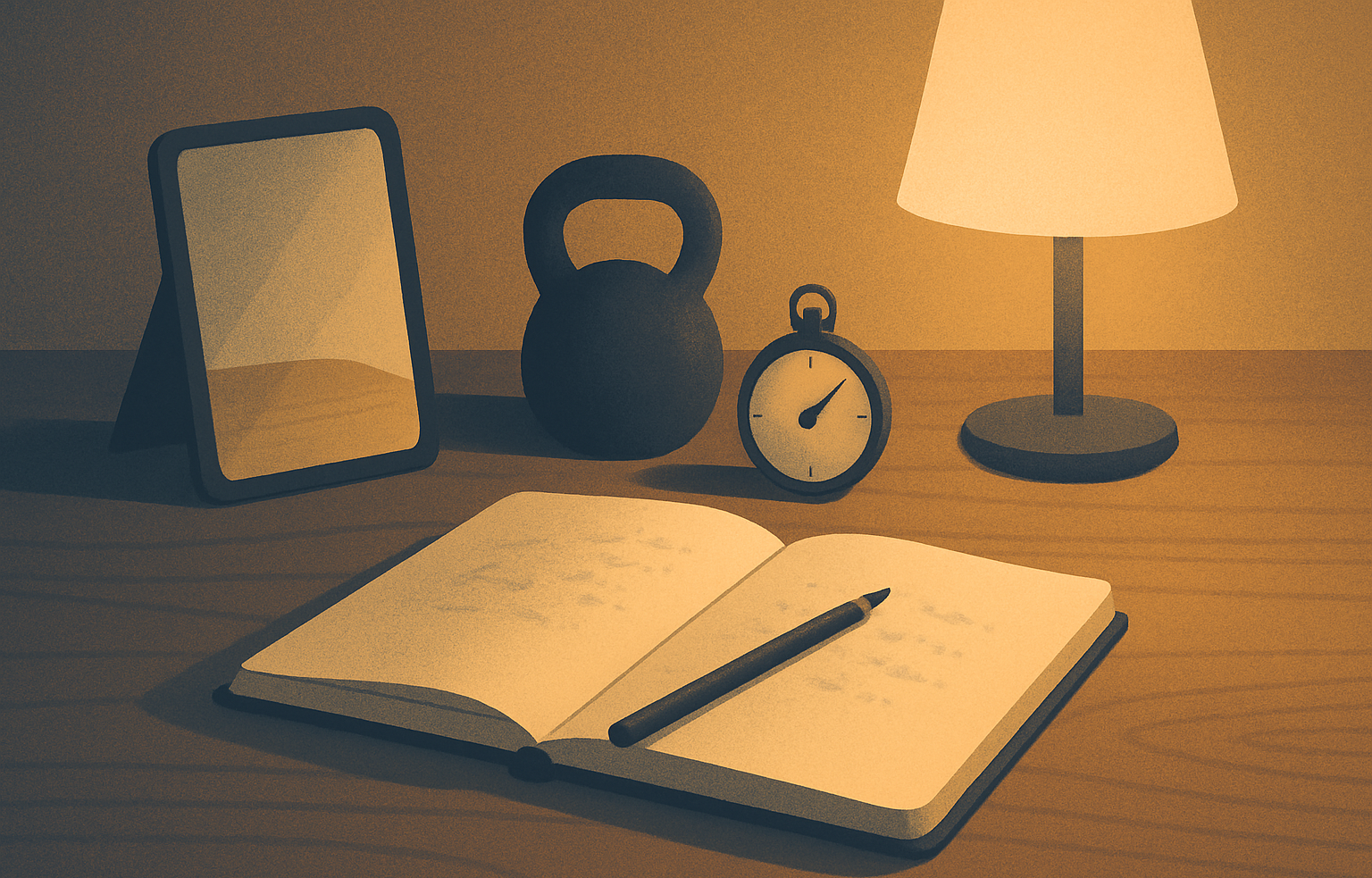
This is where boredom shades into reflection. You start to see patterns in your choices, your moods, and your reactions. That is different from the kind of structured thinking you do with a journal. It is more like background scanning.
Creativity grows from the same soil. You need raw material from books, conversations, and experiences. Yet you also need the pauses where those pieces bump into each other. Articles like The Art of Single-Tasking talk about protecting your focus while you work. Boredom protects the space before the work, where you figure out which ideas are even worth focusing on.
You might tell yourself you are stuck because you lack discipline, a better tool, or a clearer plan. Often the missing piece is less heroic. You have not been quiet long enough to hear the next idea try to speak.
There is another, quieter benefit. When you stop flooding every gap with other people’s voices, your own preferences have room to rise.
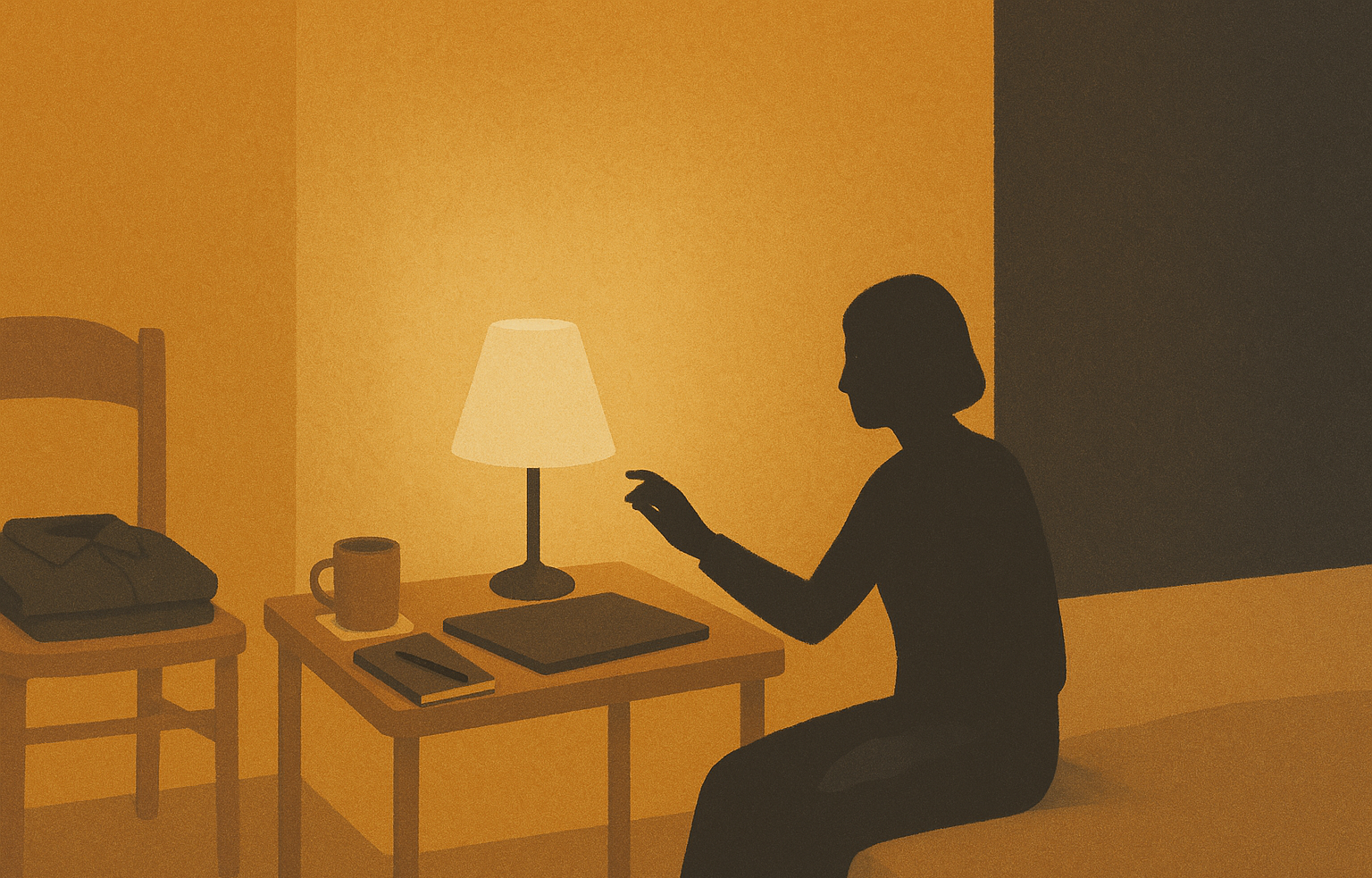
If you sit in a silent kitchen for a few minutes after work, you might notice which activities your mind drifts toward without external suggestion. Your thoughts might move toward calling a specific friend, tinkering with a side project, or cooking something more interesting than frozen pizza. Without boredom, you might default to whatever is loudest: a notification, an algorithmic recommendation, a habit loop you never chose on purpose.
That empty space does not just generate ideas. It sharpens your sense of what actually feels good to you, instead of what looks good, sounds productive, or keeps you safely distracted.
You can use that information.
- If you keep getting bored in the middle of certain tasks, even when you are well rested and focused, that might signal work you have outgrown.
- If you keep feeling curious when you let your mind wander toward a topic, that might hint at a direction worth exploring more seriously.
- If a particular relationship feels draining every time your thoughts land on it in idle moments, that might be a sign to renegotiate boundaries.
Boredom acts like a filter that lets your honest reactions separate from the noise. It is not mystical. It is just your mind, unmasked for a few minutes.
Training Your Boredom Muscle (And Knowing When It Is A Warning)
You do not have to romanticize boredom to use it. You just have to stop treating it as a bug in your day and start treating it as a feature.
Think of boredom like a muscle you let atrophy. If you tried to run ten kilometers after months on the couch, your lungs would burn. The solution would not be to declare running harmful. You would build back up with short, tolerable distances.
You can treat mental emptiness in the same graded way.
Pick one recurring transition.
Choose a moment that already exists: morning coffee, commuting, waiting for your computer to boot, standing in a queue. Decide that this specific context is now a no-input zone.Remove the easiest escape.
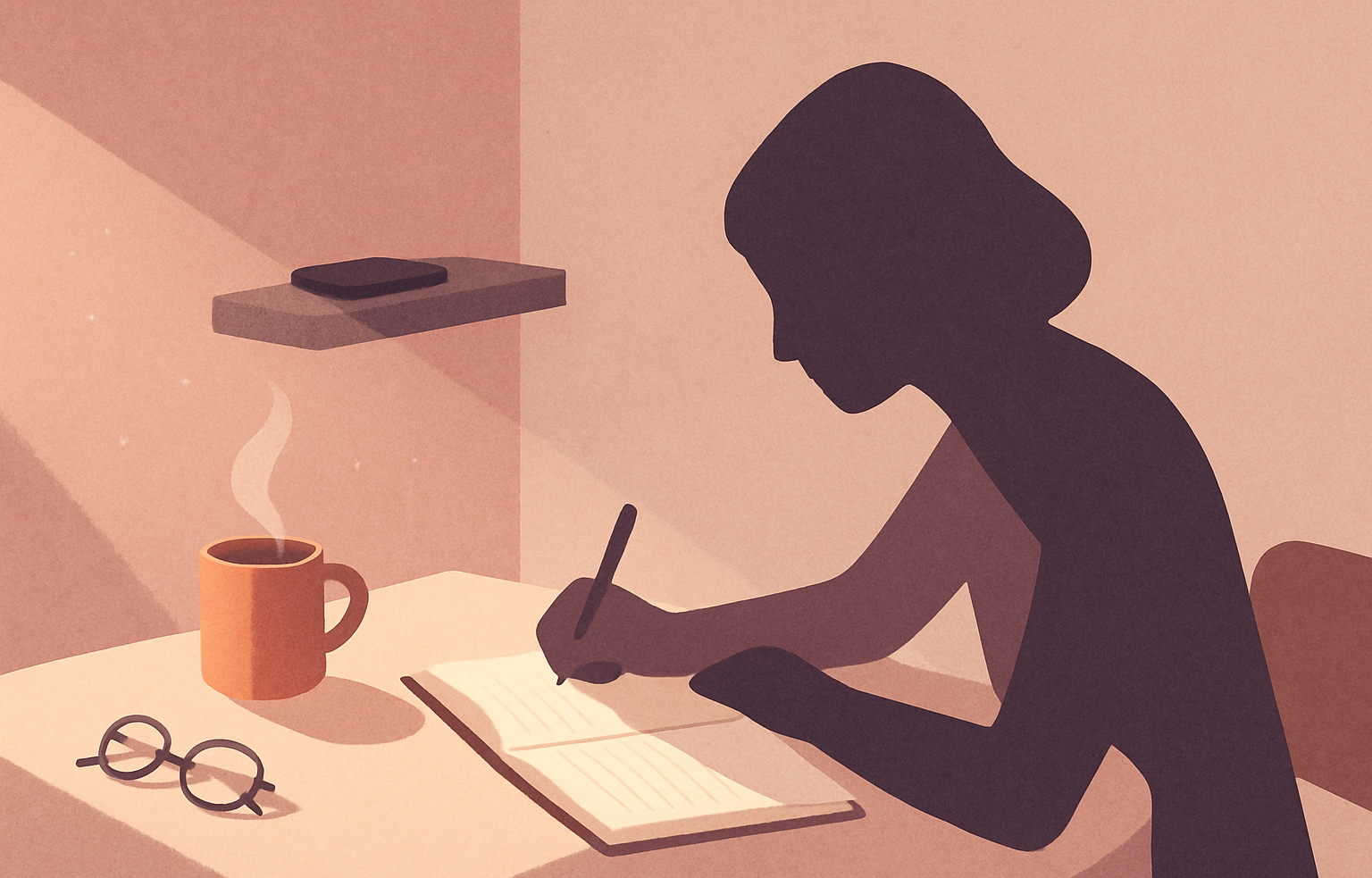
Put your phone in a different room for ten minutes. Keep your headphones in your bag. If you are on a train, face the window instead of your screen. You are not trying to suffer. You are just lowering the default stimulation.Give your mind a gentle anchor.
If pure aimlessness feels too harsh, offer a soft prompt:- “What is lingering from today?”
- “What am I avoiding thinking about?”
- “What tiny experiment sounds fun this week?”
Then let your mind wander around that, without forcing an answer.
Notice the urge to escape.
You will feel it in your body first: a hand reaching for the pocket, a small restlessness in your chest, an impulse to open a new tab. Instead of acting on it, label it in plain language in your head: “I am trying to get away from this gap.” That little bit of mindfulness makes it easier to sit through.Stop before you hate it.
Two to five minutes is enough. You are not trying to prove a point. You are just giving your brain a chance to surface whatever has been pushed down by constant input.
As you repeat this, you build a kind of quiet stamina. Waiting five minutes without stimulation stops feeling like an emergency. Your mind starts to trust that empty space is survivable, even useful. You may discover that boredom is not empty at all. It is crowded, but with your own material instead of someone else’s.
Not all boredom is helpful, though. Treating every dull feeling as creative fuel can trap you in situations that quietly erode you.
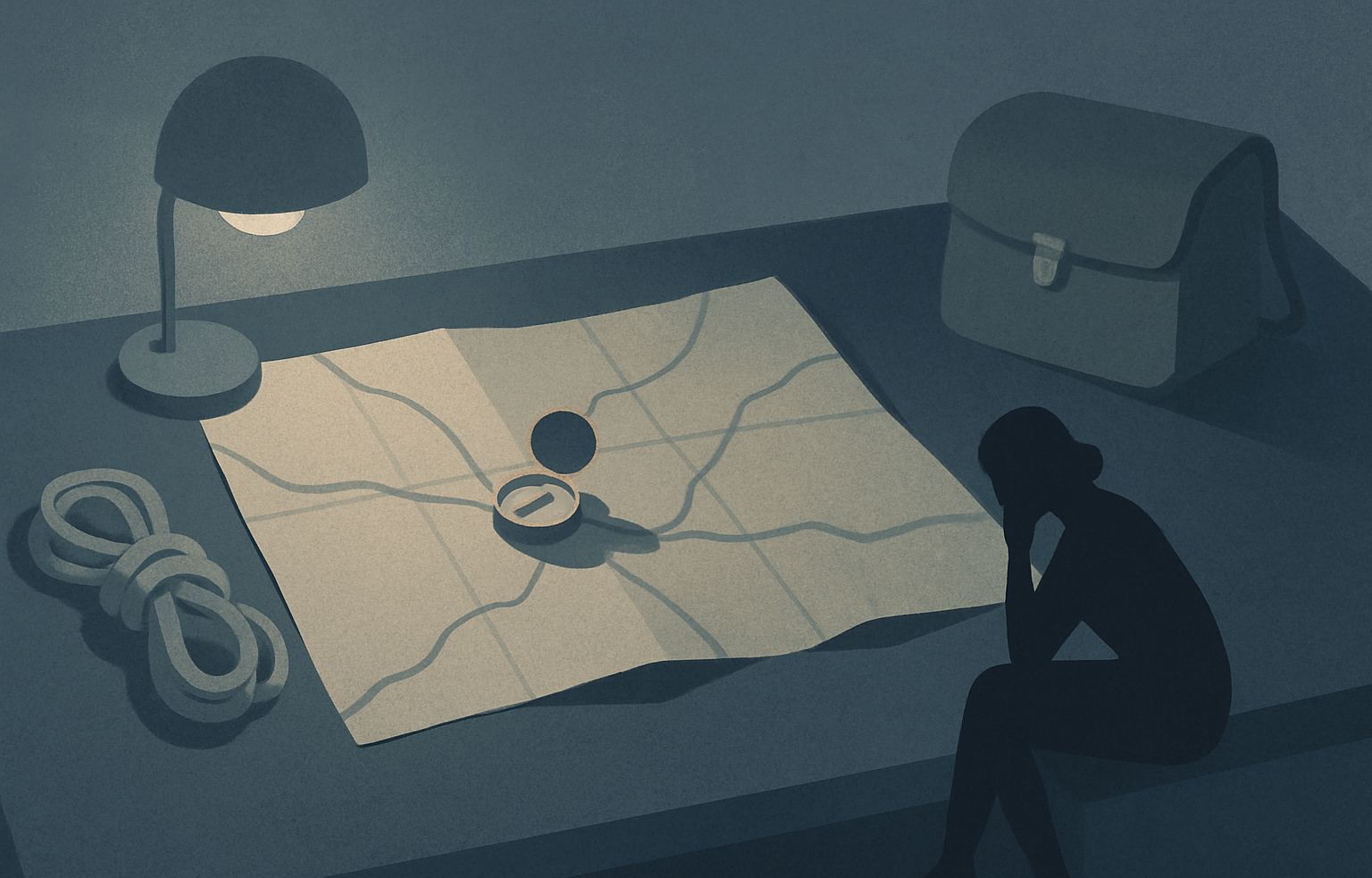
Some boredom signals that your challenge is far below your ability. If you sit through a task in a mindful way for weeks and you still feel drained, resentful, and disengaged, the problem might not be your tolerance. It might be a mismatch.
Think of two different afternoons:
In the first, you are waiting at a dentist appointment. There is nothing to do besides sit, breathe, and maybe flip through an old magazine. A few minutes of phone-free boredom here can be healthy.
In the second, you are at a job where your main responsibility is forwarding emails and filling out forms that nobody seems to read. You feel bored not for minutes, but for months. Your body feels heavy, your curiosity goes flat, and your evenings turn into numbing routines.
Both feel boring, yet they ask for very different responses.
Short, scattered boredom during the day invites you inward. Long, persistent boredom about a role, relationship, or project invites you to question your structure. You might need more challenge, more autonomy, or a clearer link between effort and meaning, like the themes in Energy Management, Not Time Management or The Power of Taking Action.
You do not fix that second kind with more podcasts or productivity hacks. You address it by adjusting commitments, asking for new responsibilities, or planning a shift. Boredom becomes your early warning system, not a problem to medicate away.
What to Try Tomorrow
Choose one small, boring moment tomorrow and leave it empty on purpose.
For example, during your next solo meal, keep your phone out of reach for the first five minutes. Eat, look around, and let your thoughts wander without adding music, video, or reading. Notice what rises when nothing else rushes in to fill the gap.