The Art of Single-Tasking
Your brain is not a browser with endless tabs. Single-tasking is a skill you have to rebuild, one focused block at a time, after years of constant switching.
You Think You Are Multitasking, You Are Just Switching
You reply to a message while half listening in a meeting and skim an article with ten other tabs open. By lunch, your brain feels foggy, even though you have been busy all morning. You are not actually doing many things at once, you are switching your attention in tiny, costly bursts.
Single-tasking is not just a preference for neat calendars. It is a cognitive skill that gets dull when you live in constant interruption, and you can retrain it so that almost everything you care about gets easier.
Why Multitasking Is A False Economy
On the surface, multitasking looks efficient. Two tabs instead of one, two conversations at once, work and entertainment running side by side. It feels like you are squeezing more into the same hour.
What you are really doing is paying a tax every time your attention jumps. Cal Newport calls this attention residue, the mental drag that lingers when you leave one task and try to start another. You may think you switched in a second, yet your mind needs several more to fully land.
You feel this when you glance at your phone during a hard task. You read a message, lock the screen, then stare at your work, slightly blank. A few seconds pass before you remember where you were. That gap is the tax.
Here is the trap: the tax is small per switch, so you ignore it. Over an hour of flipping between inbox, chat, and work, those gaps add up to large chunks of unfocused time. You end up tired and behind, even though you never stopped moving.
There is another cost. When you expect yourself to respond to everything in real time, you never give your mind permission to sink into depth. Work stays shallow. Thinking becomes reactive. You skim instead of absorb.
The false economy is simple: you trade depth for a feeling of speed. You get more starts and fewer clean finishes. You get more noise and less impact. Single-tasking looks slower on the surface, yet it gives you the only speed that matters, the speed of finishing things that count.
Why Single-Tasking Feels So Uncomfortable At First
You might expect single-tasking to feel calm. Often, the first honest attempt feels worse than multitasking.
Picture this. You decide to spend one hour on a report without checking messages. You close your inbox, silence your phone, and start. Within five minutes, you feel an itch. You are sure there is something urgent. Your hand moves toward your phone almost by habit.
This is not proof that you lack discipline. It is proof that you have built a tight coupling between work and micro-distractions. Your brain expects relief every time work feels even slightly hard. When you remove that relief, your mind protests.
There are a few common discomforts at the start:
- Phantom urgency. You feel as if something terrible will happen if you do not check messages for thirty minutes. It almost never does.
- Boredom spikes. Focused work feels flat compared to the hit of novelty from a fresh notification.
- Self-doubt. Without constant bouncing, you face the task directly. You notice your confusion or lack of clarity, and that can be uncomfortable.
Here is the contrarian part: you do not need to fight all of this head on. You can make single-tasking easier by reducing the number of decisions around it, not by boosting your willpower.
Set a clear container. Decide the task, the end time, and the conditions before you start. When the discomfort shows up, you are not negotiating in the moment. You are just keeping a promise you already made to yourself.
In other words, design for focus rather than relying on in-the-moment strength. Treat single-tasking like a posture you step into for a short while, not a personality you either have or lack.
How Single-Tasking Actually Works In Your Brain
Imagine reading a page of a book with full attention. No background music with lyrics, no phone in sight, no other window. After a few minutes, sentences start to land as complete ideas. You notice connections. You can recall what you just read.
That feeling is not sentimental. It is how your brain is built to handle complex information. You create context, hold details in working memory, and link them into something solid. That only happens when your attention stays on one thing long enough.
Single-tasking is how you:
- Build context instead of starting from zero every few minutes.
- Feel the difference between friction at the start and flow a little later.
- Catch subtle errors before they cost you more time.
The early minutes of a focused session often feel stiff. Your mind wanders. You reach for your phone. You think of something else you could be doing. This discomfort tricks you into thinking you are not built for deep focus.
You are. You have just trained yourself to expect quick hits of novelty. Years of notifications and constant partial attention shorten your tolerance for boredom. Single-tasking lengthens it again.
There is a second benefit that does not get enough attention. When you give a task your full focus, you often discover that it is smaller than you thought. The email you have been avoiding takes eight clean minutes. The spreadsheet update takes twenty. What made them feel huge was not their size, it was the fog of half-working on them for days.
Building Your Single-Tasking Muscle
You would not walk into a gym after years of inactivity and try to lift the heaviest weight. You start lighter, with shorter sets, and increase over time. Single-tasking works the same way.
You are retraining several abilities at once:
- Holding one target in mind.
- Noticing distractions quickly.
- Returning to the task without drama.
You can treat this as attention reps. Each time your mind drifts and you bring it back, you are doing a small repetition that makes the next one easier.
A simple way to start is with a timed block:
- Pick one task that matters. Something that benefits from focus, like writing, planning, coding, or studying.
- Set a short timer. Twenty to twenty-five minutes is enough at first. Shorter if your attention feels very scattered.
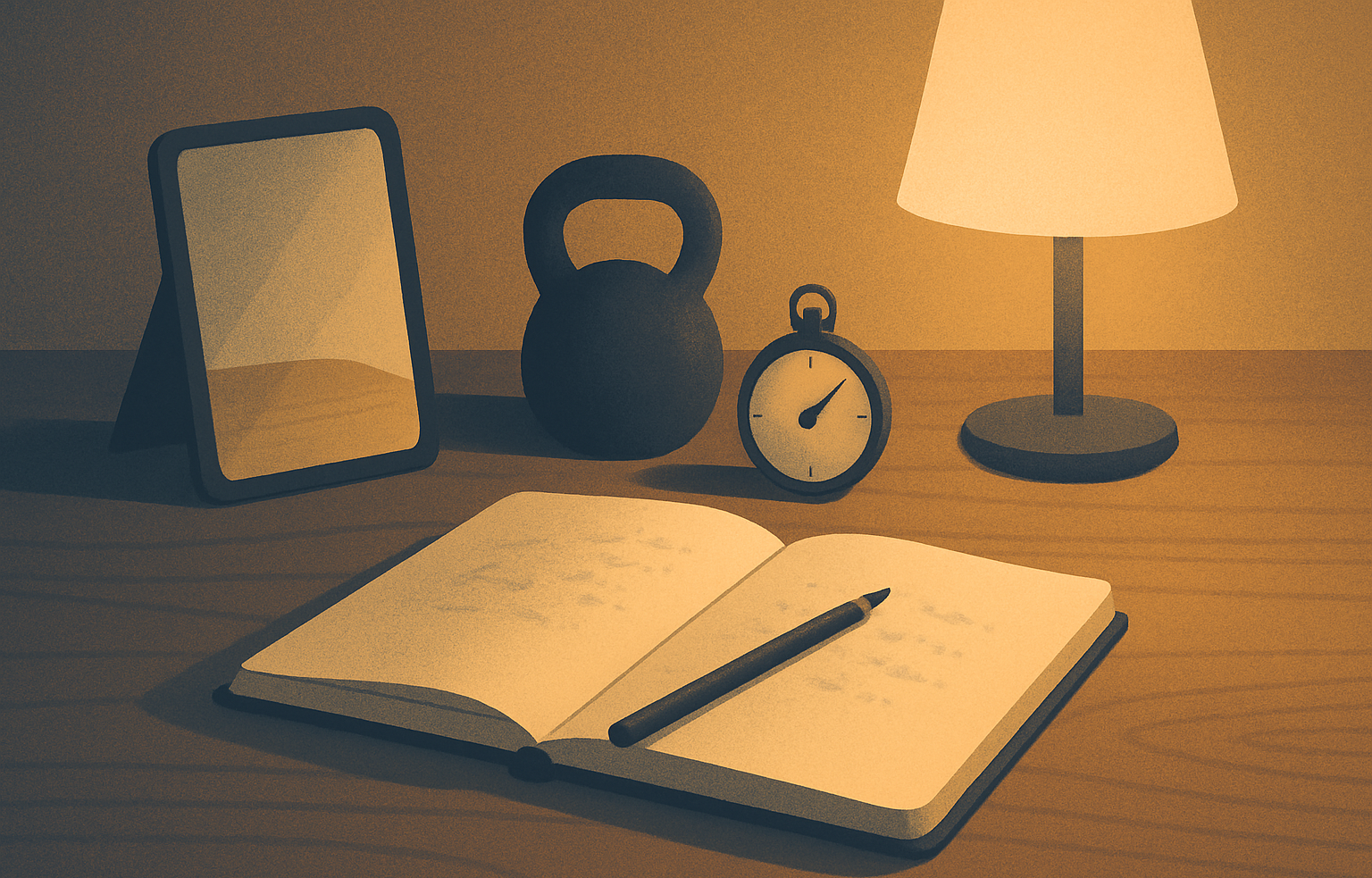
- Clear immediate distractions. Close extra tabs, silence your phone, and decide what you will do with incoming thoughts. A scratchpad works well.
- Work only on that task until the timer ends. When you notice your attention leaving, gently bring it back. No self-criticism needed.
- Stop when the timer rings. Stand up, move, and only then decide what to do next.
The key is not perfection inside the block. The key is the act of returning. That is where the muscle grows.
You might think you need long, heroic sessions to see benefits. You do not. A few honest blocks a day, done consistently, will feel strange at first and then become something you start to crave. Focus has its own kind of satisfaction.
If you want to extend the practice, you can lengthen the blocks or stack two of them with a short break. Just avoid jumping from scattered work to a three hour focus marathon. That jump is like trying to sprint a distance you have only ever walked. You burn out and decide the method is the problem, when the real issue is pacing.
Designing A Life That Mostly Supports Single-Tasking
Single-tasking is not only about what you do in a single session. It is also about the default texture of your days.
If your environment constantly pulls you toward fragmentation, you will need heroics to focus. You can reduce the need for heroics by changing the structures around you.
Consider a few levers you can adjust:
- Batching communication. Instead of living in your inbox or chat all day, set two or three windows where you handle messages. Outside those windows, you keep them closed.
- Setting visible boundaries. If you work around others, a simple signal like headphones, a status light, or a note on your desk that says “Focus time until 11:00” can reduce drive-by interruptions.
- Planning by blocks, not to-do pile. Allocate specific time for your most important single-task blocks. A vague list tends to invite multitasking.
- Lowering ambient noise. Background shows, constant music with lyrics, or open office chatter all chip away at your attention. You may not need silence, just less chaos.
This is where common productivity advice can mislead you. You are told to squeeze work into every gap: answer email while eating, listen to a podcast while walking, reply to messages while in line. It sounds efficient. Often it just trains you to be unable to do one thing at a time.
There is value in doing some things purely, even when they are simple. Walking without audio. Eating without a screen. Waiting in line without reaching for your phone. These are not wasted opportunities for more input. They are small daily chances to let your mind settle.
Mihaly Csikszentmihalyi wrote about flow as a state where challenge and skill meet and your attention is fully engaged. If your day has no uninterrupted stretches, you rarely touch that state. You stay in the shallow end of your own abilities.
At the same time, not every moment needs razor sharp focus. Folding laundry while listening to music, walking while thinking through a problem, or cleaning your kitchen while talking to a friend are examples of low-stakes combinations. The key is that at least one of the activities is almost automatic for you.
A helpful rule is this: if a mistake would really matter, or if you need to think in order to do it well, it probably deserves single-tasking. Editing a contract, writing code, planning your week, or having a hard conversation all fall into this category. You are deciding where your best attention goes, not obeying a blanket rule.
A Real Example Of Single-Tasking In Practice
Imagine you are a nurse finishing a shift. You are tired, and you still have to chart the last few patient notes before you can leave. In the past, you might have charted with your phone beside you, checking messages in between each entry.
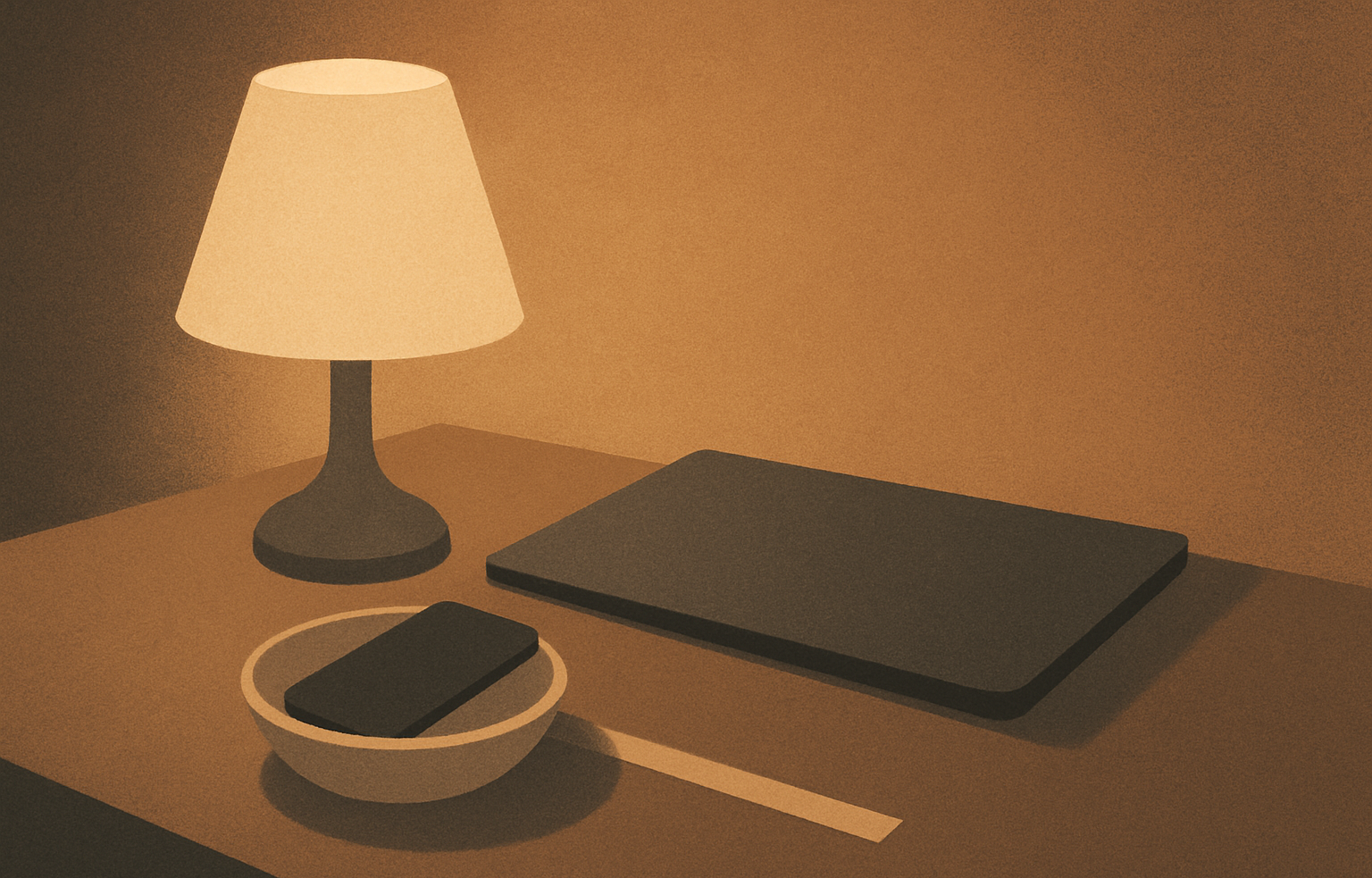
This time you try something different. You decide that for the next twenty minutes, you will only chart. You place your phone in your locker, close the extra tabs on the computer, and bring up just the records you need.
For the first few minutes, you feel jumpy. You wonder if you are missing a message from home. You notice yourself reaching for a phone that is not there. The urge spikes, then fades a little. You keep typing.
By minute ten, you are moving faster. You remember details without re-reading as often. You catch a small inconsistency in one note that could have caused confusion later. You correct it on the spot.
At minute twenty, you realize you are done. What usually drags for forty scattered minutes has taken half the time, and you walk out feeling clearer instead of frazzled.
Nothing magical happened. You did not become a new person. You simply gave one task your whole attention for a defined period. That is the art you are learning. You repeat it in small pockets, and it starts to reshape how you move through your day.
One Small Step Today
Block one 25 minute window tomorrow for a single meaningful task, silence every notification for that window, and keep your attention on that one task until the timer ends.