Designing Evenings for Tomorrow’s Focus
Your next day’s focus starts the night before. Small choices about closure, planning, and wind‑down decide how sharp you feel and how calmly you start.
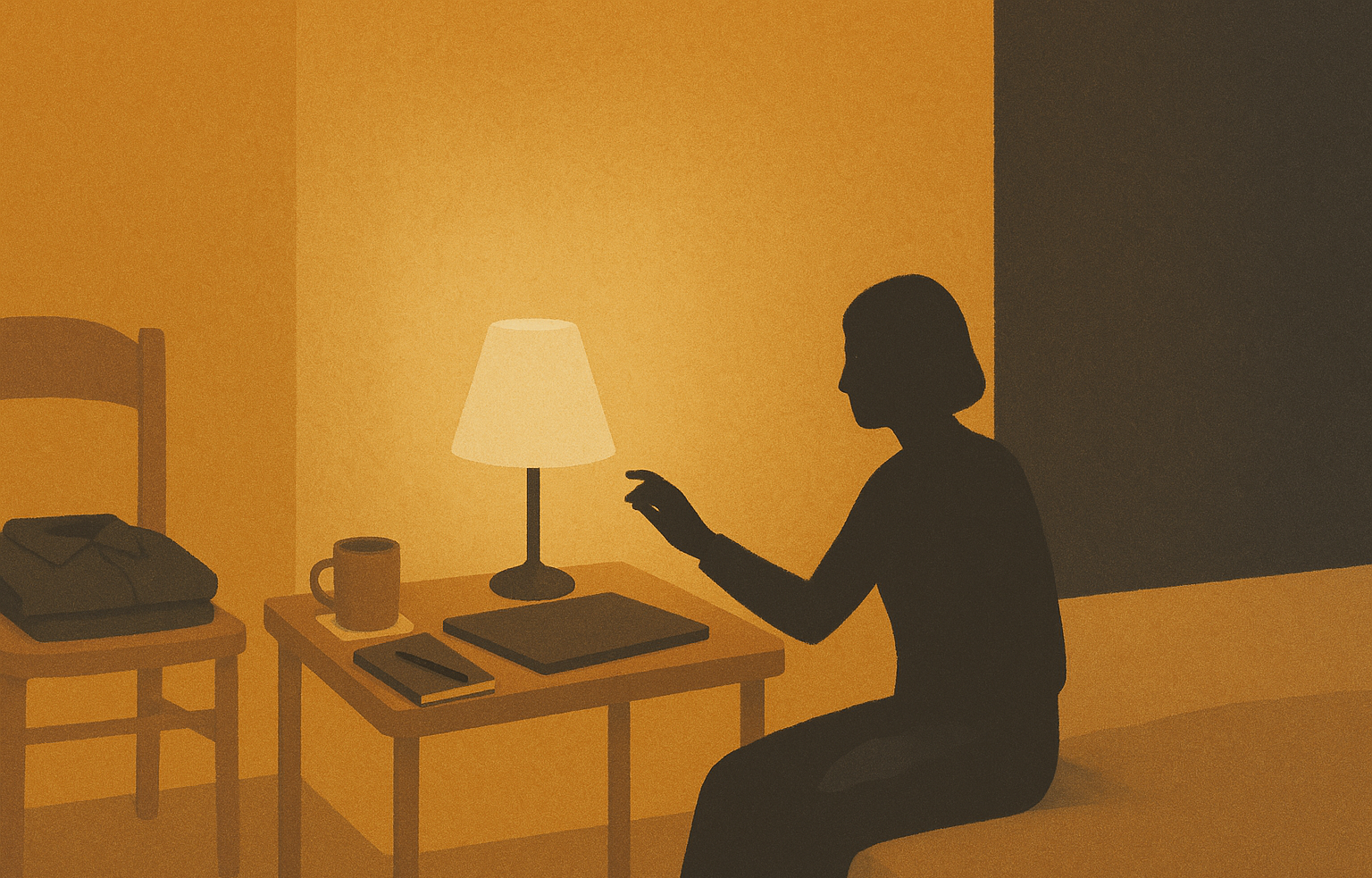
You sit on the couch, scrolling, telling yourself you are “winding down.” An hour later you stumble to bed, your mind still buzzing, tomorrow a vague blur. The next morning you wake up foggy, already behind, reacting instead of directing.
Your evening is the runway for the next day. It shapes your focus, energy, and mood long before your alarm rings.
Why Tomorrow’s Focus Starts Tonight
You tend to think of focus as a morning problem. Coffee, to‑do list, maybe a new app. Yet by the time you wake up, many of the conditions are already locked in.
Three forces are in play:
- unfinished tasks that keep your brain in a low hum of worry
- vague plans that force you to decide everything on the fly
- a restless body that never got a proper signal that the day was over
Cal Newport writes about attention residue, the mental drag that lingers after an unfinished task or half-switched context. That residue does not disappear when you close your laptop. You carry it into dinner, into bed, and straight into the next morning.
Think about a night when you closed your laptop mid-email, left dishes in the sink, and told yourself you would “figure things out tomorrow.” Sleep took longer. You woke up remembering problems before you remembered possibilities.
Now think of a night when you wrapped up your main task, jotted down a plan for the morning, washed the dishes, and read a few pages of a book. You probably slept more easily and woke up with a direction rather than a backlog of alerts.
The raw hours of sleep matter, but the way you land the day often decides whether tomorrow feels like a calm start or a scramble.
Step One: Close the Loop on Your Workday
You might already have a morning ritual. You probably do not have an evening equivalent that signals to your brain, “Work is done. You are safe to rest.”
Without that signal, your mind keeps scanning for open loops: that message you never sent, the file you did not back up, the meeting you are half-prepared for.
Create a short shutdown ritual that you run at roughly the same time each weekday. Keep it under fifteen minutes so you will actually use it. For example:
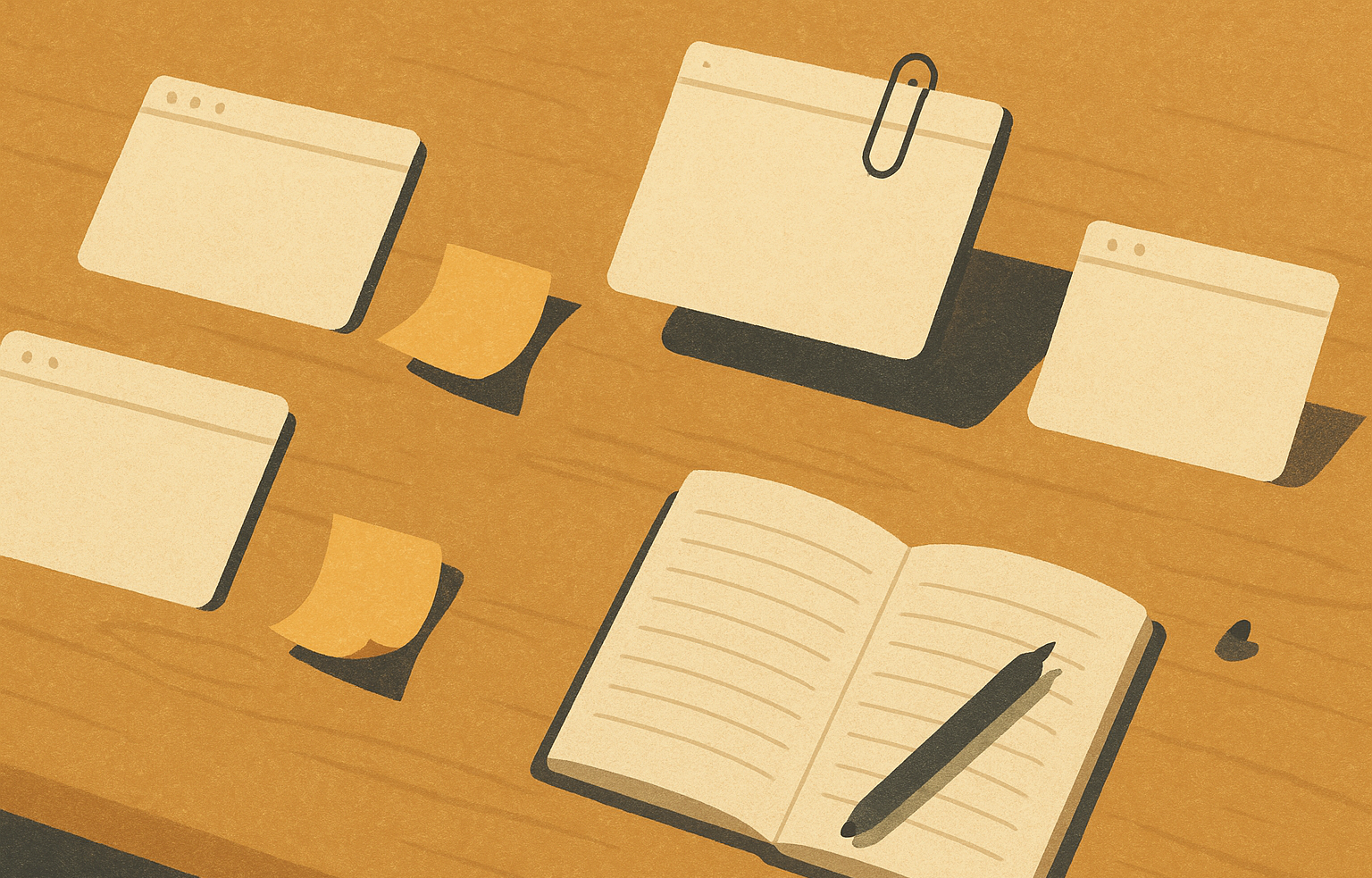
- Clear your workspace. Put papers in one stack, close browser tabs not needed tomorrow, tidy visible clutter. Your morning self should not start in a visual mess.
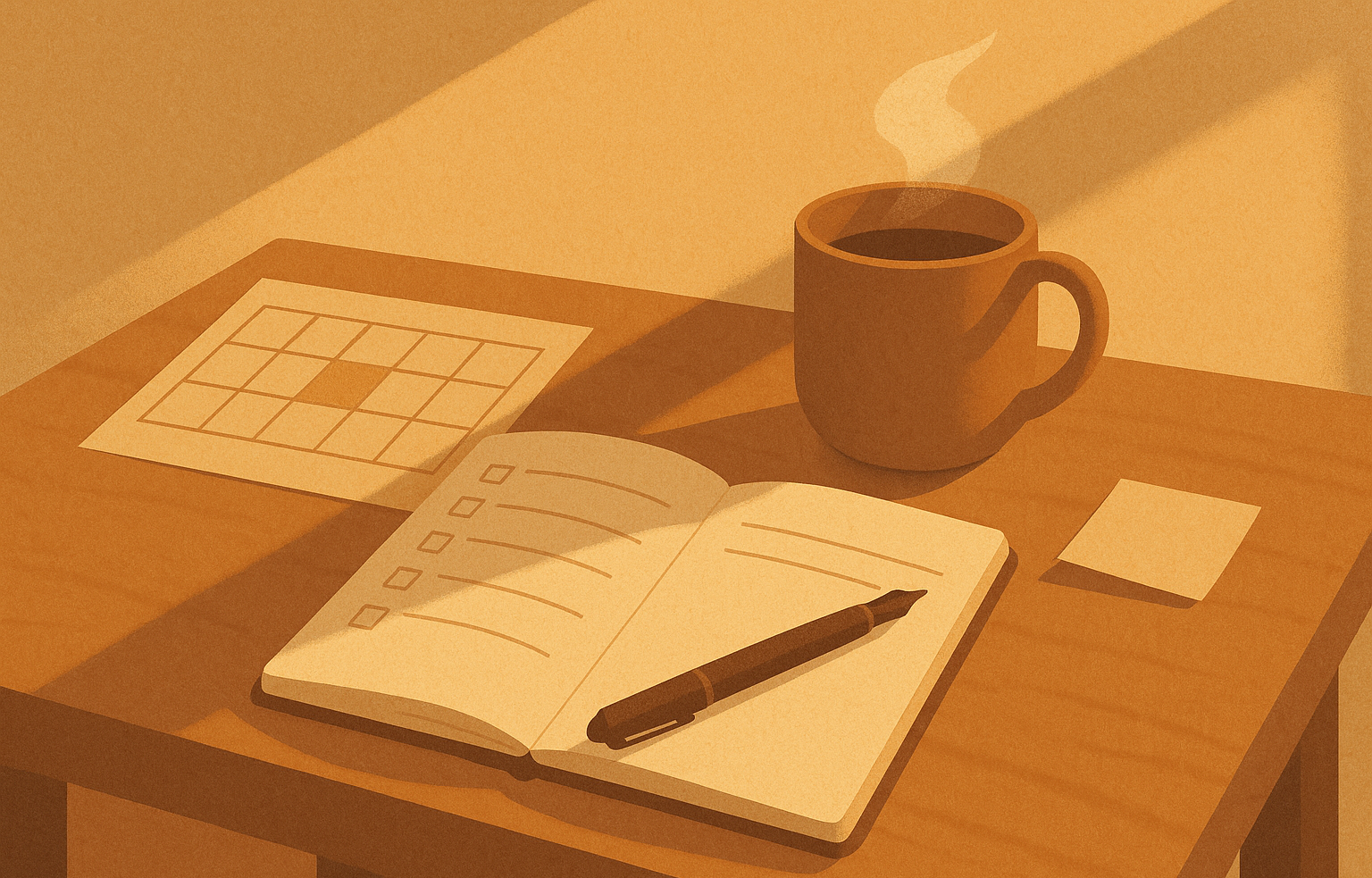
- Write a “stuck list.” On a notepad or digital note, jot every task or worry that is still tugging at you. No prioritizing yet. Just empty your head.
- Choose the single next action for your top task. Not “finish presentation,” but “draft three slide headlines.” Clarity reduces overnight rumination.
- Say an explicit phrase. It can be as simple as “Workday done.” The words mark a border.
Run it daily and it becomes a miniature version of The Art of the Weekly Review. You leave with a written list and one concrete next move, so your brain has nothing left to spin on.
A manager who started doing this at 6:15 p.m. found that she checked email less at night, not because of stronger willpower, but because she was no longer half-wondering if she had missed something urgent. She had looked. She had decided. The loop was closed.
Step Two: Plan Tomorrow in Five Honest Minutes
Once your workday is closed, tomorrow is still a blur of “a lot to do.” Leaving it that way is costly. Every unmade decision waits for you in the morning, asking for attention before you have fully woken up.
A rough sketch of the next day is enough to quiet that noise.
Try this five‑minute template:
- Name the top one to three priorities. If tomorrow went well because of only three things, what would they be? Write them down in order.
- Assign them to time blocks. Put the hardest or most important block early, when your mental battery is higher. Deep Work as a Daily Practice makes the case for treating your calendar as a guardrail rather than a record.
- Pre‑decide constraints. For example: “Meetings after 10 a.m. only,” or “No social apps until first priority is done.” Clear rules beat vague hopes.
- Leave white space. Block at least one open pocket in the day. Life will fill it anyway. If it stays free, you can use it for thinking instead of firefighting.
Most mornings do not fail on effort. They fail because the first twenty minutes go to deciding what the day is, and the fastest way to decide is to open email and let other people answer the question for you. A plan written the night before removes the question. You wake up with an instruction instead of an invitation.
Some days will blow the plan apart by ten a.m. It still earns its five minutes, because you start in motion instead of in indecision.
Step Three: Design a Real Wind‑Down, Not Just Collapse
Collapsing in front of a screen feels like rest. Often it is numbness in bright colors.
Your body needs cues that wakefulness is ending. Light, noise, and mental stimulation all send signals. If your evenings are full of bright screens, intense shows, and late snacks, you are telling your nervous system to stay ready.
Instead of building an elaborate routine, build a staircase: three or four steps that get progressively gentler.
For example:
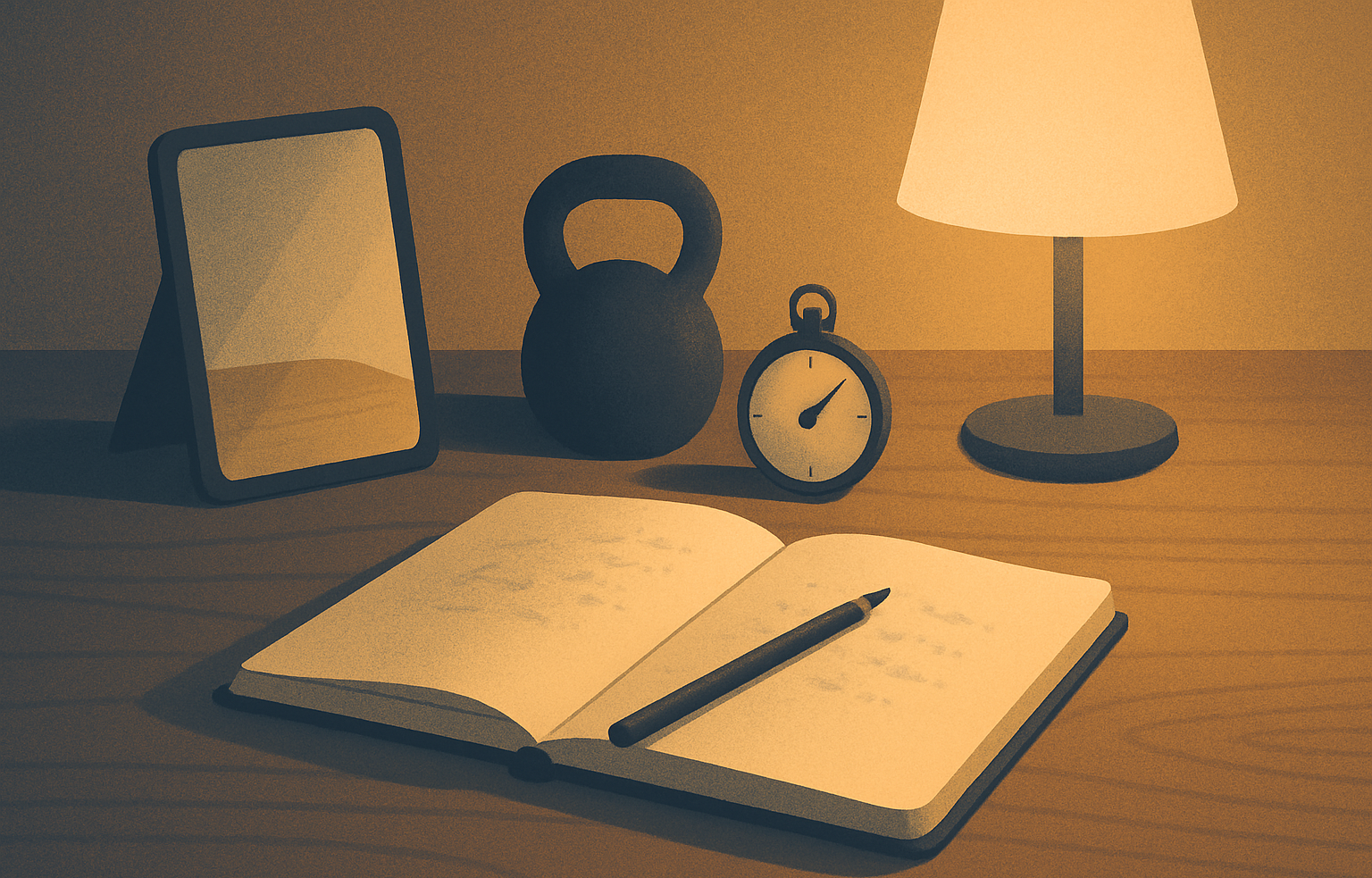
- Light shift. About an hour before bed, dim lights and switch from overhead lighting to a lamp. Reduce screen brightness or use a warmer color mode.
- Body signal. Take a walk around the block, stretch for ten minutes, or breathe slowly for a few minutes. Changing your posture and pace matters more here than the specific activity.
- Quiet input. Swap fast‑cut video for slower input: a book, a long article, a podcast with calmer tone. Your brain starts mirroring what it consumes.
- Bedtime anchor. Aim for a consistent “lights out” range, not a single rigid time. For instance, between 10:30 and 11 p.m. on most nights.
Sleep Is the Foundation argues for the hours themselves. This is the other half of the job: teaching your body what “night” means again, so the hours you do get are worth something.
You might even notice that a slightly shorter but calmer evening gives you more usable focus tomorrow than squeezing in an extra episode or another email. The trade is often sharper attention in the morning instead of one more restless hour at night.
Step Four: Protect Evenings from Hidden Drains
Even if you design a beautiful wind‑down, certain evening habits punch holes in your focus for the next day.
Watch for these common drains:
- Late caffeine. The afternoon coffee that helps you finish a report can still be in your system when you are trying to sleep. Set a personal cutoff time, such as eight hours before your usual bedtime.
- Doomscrolling. News, social media, and heated comment threads pull your mind into problems you cannot act on at midnight. Give your phone a “bedtime” that is earlier than yours.
- Last‑minute work. Checking email “one more time” before bed often uncovers a stressful message you cannot resolve that night. Your brain chews on it anyway.
- Heavy late meals or alcohol. Both can fragment sleep, leaving you technically in bed for eight hours but feeling unrefreshed.
Start by changing the one habit that most reliably leaves you wired or regretful.
A high school teacher used to grade papers on the couch until midnight, with a show on in the background and a drink in hand. She told herself it was the only way to keep up. After tracking her sleep and mood for a week, she noticed she woke up groggy, resentful, and late almost every day.
She experimented with a firm “saying no” rule and moved one batch of grading to a mid‑afternoon block. That required saying no to one optional committee and trimming her expectations for how fast papers came back. The trade paid off in sharper mornings and less resentment toward her work.
Protecting your evening is a decision about where your best mental hours go.
Step Five: Use Reflection To Reset Your Story
Even with good sleep, a written plan, and a gentle wind‑down, you can still wake up carrying yesterday’s emotional weight. An awkward conversation, a missed deadline, or a small failure can echo louder in the quiet of night.
A short reflective practice can help you close the emotional book on the day so you do not reread the same chapters in your head at 3 a.m.
Skip the pressure for a full journaling session and try a tiny version:
- Three sentences. On paper, answer three prompts: “What went well today?”, “What was hard?”, “What did I learn or want to adjust?”
- One kindness. Write one sentence of encouragement to yourself as if you were speaking to a close friend who had the same day.
- Future note. Add one short line: “Tomorrow, I will focus on X.” Make X small and concrete.
This practice pulls your mind out of vague self‑judgment and into specific, balanced noticing. You acknowledge the hard parts without letting them define the whole day.
It also gives your brain a story to file away. Instead of replaying “I messed up that meeting,” you hold “That meeting was rough, I learned I need more prep time, and tomorrow I will block twenty minutes beforehand.”
That shift can be the difference between lying awake in a loop and drifting off with a sense of direction.
What to Try Tomorrow
Tonight, design a fifteen‑minute evening experiment and run it.
Pick a time, ideally within a two‑hour window before bed. During that window, do three things in order:
- Close your workday with a mini shutdown ritual: clear your workspace, write a stuck list, choose one next action for tomorrow’s top task, say your “workday done” phrase.
- Spend five minutes planning tomorrow: list your top three priorities in order and block the first one into your morning.
- Take one wind‑down step: dim the lights, put your phone in another room, and read a physical book or slow article for at least ten minutes.
Treat it as a one‑night test, not a lifelong commitment. Notice how you feel as you fall asleep and how your focus feels in the first hour tomorrow. Then adjust the ritual to fit your real life.
You are building one habit: ending the day on purpose, so tomorrow does not have to start in a fog.