Why We Sleep
Why We Sleep argues that sleep is not optional: chronic sleep loss quietly damages immunity, mood, learning, decision-making, and longevity across your entire life.
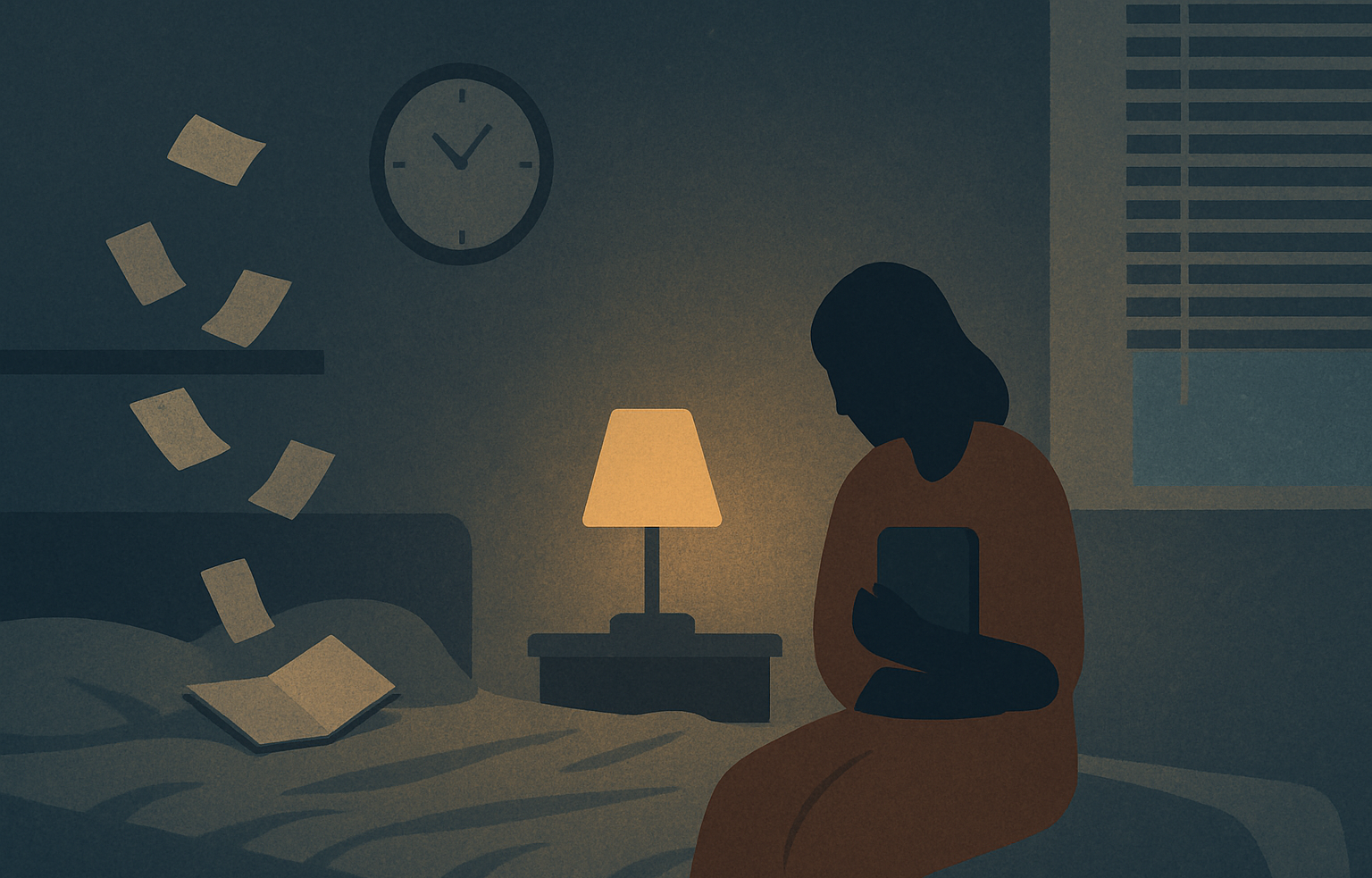
Sleep is not optional; Why We Sleep argues that cutting it short steadily degrades your immune system, mood, memory, learning capacity, lifespan, and judgment in ways you can measure and often cannot feel until damage has been done.
Who this book is for / who it isn’t for
If you treat sleep as the thing you squeeze after work, workouts, and side projects, this book is a blunt intervention. Matthew Walker gives you the biology behind that tired, foggy feeling and shows how much performance you are trading away when you treat six hours as “good enough.”
This is for people who care about long games: health span, emotional stability, creativity, long term career performance. It is especially useful if you are already trying to dial in nutrition, deep work blocks, or energy management but still feel strangely depleted.
If you are looking for a productivity manual with hacks, this will feel slow and heavy on physiology. The sections on sleep disorders and dreams may also feel too detailed if you only want a short checklist. And if you already sleep eight to nine hours on a consistent schedule, much of this will confirm what you are doing rather than add new strategies.
How sleep rewires memory, learning, and creativity
One of the strongest sections explains sleep not as passive rest but as an active part of learning and problem solving. Walker divides the role of sleep into two big jobs: saving new information and integrating it.
He describes studies where participants learn a list of facts or a motor skill in the morning. One group stays awake all day, the other gets a ninety minute nap rich in non rapid eye movement (NREM) sleep. The nappers reliably perform better on the evening test, as if their brains had quietly hit “save” on the new material.
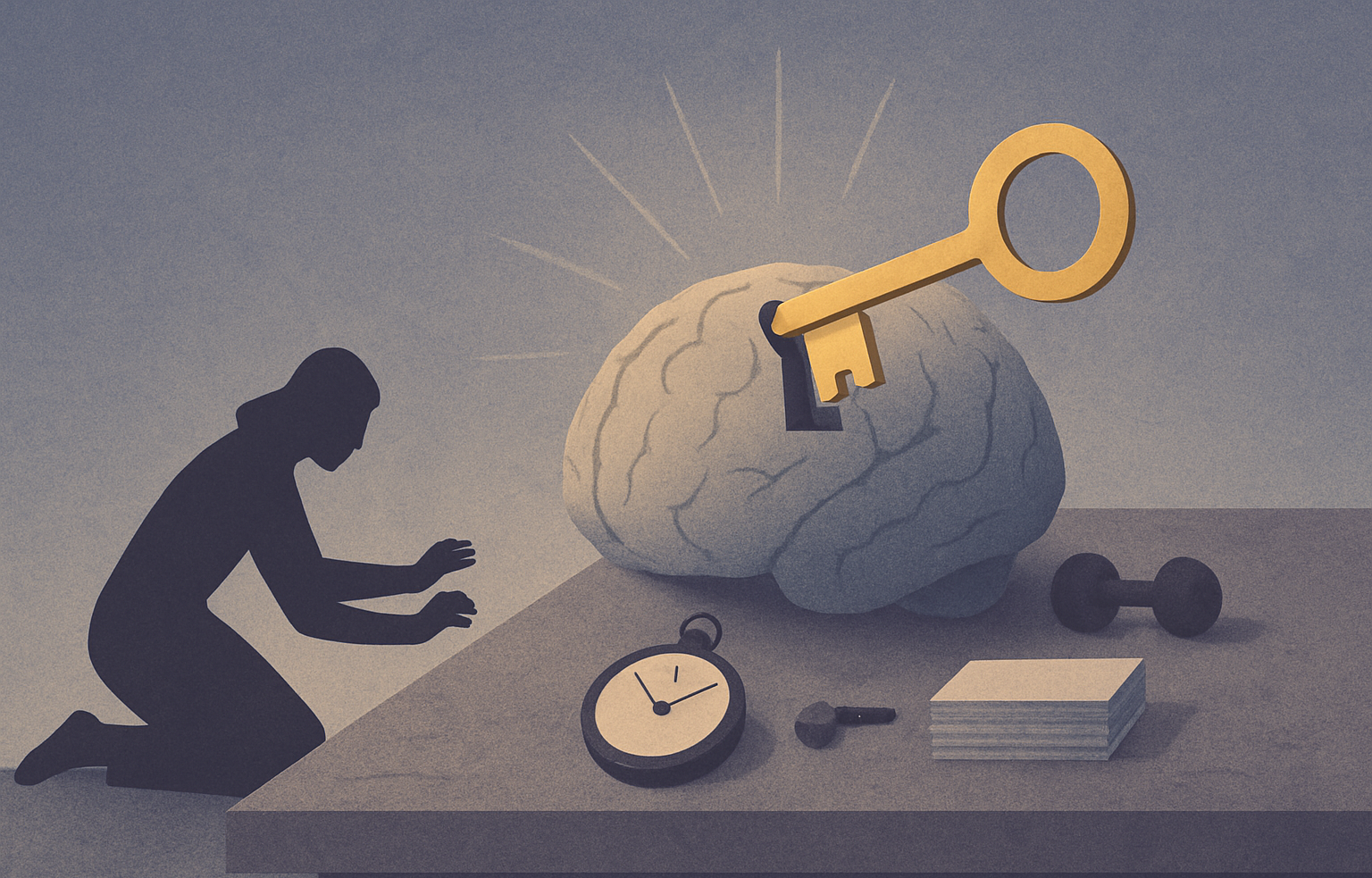
Overnight, the work goes deeper. During slow wave sleep early in the night, the hippocampus (short term storage) repeatedly replays new memories to the cortex (long term storage), freeing up space for the next day. Later, in rapid eye movement (REM) sleep, the brain mixes recent experiences with older memories, which helps explain those “aha” moments after a night’s rest and the way creative solutions seem to surface in the morning.
The practical claim is simple: if you are learning, you need sleep both before and after studying or practice. Pre sleep protects the brain from overload, post sleep does the consolidation and creative linking. Cramming until 2 a.m. for an exam or pushing through code until you see double is not heroic; it actively erodes the very learning you are chasing.
The biological cost of cutting sleep short
Walker spends a lot of time quantifying the damage from routinely sleeping six hours or less. The details matter, because many people feel “fine” at that level and use their subjective sense as proof.
He describes an experiment where participants are restricted to six hours of sleep for two weeks. They insist they have adapted. Objective testing shows steep declines in reaction time, attention, and cognitive performance that rival legal intoxication. There is no reliable self awareness of impairment.
On the physical side, he walks through what happens to insulin and appetite hormones after a short night. People given four to five hours of sleep show impaired insulin sensitivity and changes in ghrelin and leptin that drive hunger and blunt satiety. Put more simply: after a bad night, your body behaves as if it were edging toward prediabetes and wants more food, especially high calorie snacks.
The immune system takes a hit as well. Walker cites a study where volunteers are exposed to the common cold virus. Those sleeping less than seven hours are far more likely to become sick than those getting eight or more. Natural killer cell activity, one of the immune system’s cancer surveillance tools, drops dramatically after a single night of very short sleep in lab studies.
There is also the more visible, immediate cost: mood volatility. People deprived of REM rich late night sleep report more irritability and emotional reactivity. Imaging studies show an over responsive amygdala and weaker control from the prefrontal cortex when people are sleep deprived. That restless, easily triggered feeling is not just “having a bad day”; it is a predictable output of lost sleep.
Timing, chronotypes, and the myth of the morning person
A particularly useful idea is that you cannot fully out will your biology when it comes to sleep timing. Walker focuses on circadian rhythms and “chronotypes” to explain why some people truly hit their stride late and why early school or work schedules punish them disproportionately. If circadian timing is new to you, it pairs well with our piece on building a personal circadian rhythm so your work and rest follow the same daily arc.
The brain’s master clock in the suprachiasmatic nucleus responds to light, especially morning light, to set the daily rhythm for temperature, hormone release, and sleep pressure. In adolescents, the natural rhythm shifts later, meaning they are biologically wired to fall asleep later at night and wake later in the morning. When schools start before 8 a.m., teenagers are effectively forced to operate with chronic jet lag.
Walker highlights data from school districts that pushed start times later. Grades rose, attendance improved, and car accidents among teen drivers dropped. The change was not tied to any new curriculum or technology; it was a timing shift that let students sleep on their natural schedule.
On the individual level, he pushes back on shaming night owls. Genetic differences partly determine whether you are inclined to go to bed and wake up earlier or later. Forcing yourself into a strict 5 a.m. wakeup club can mean carrying a permanent sleep debt if your biology leans late. The more constructive approach is to align demanding work with your natural peaks, so your calendar follows your energy, not the other way around.
Simple rules that actually improve sleep
Walker does eventually move from physiology to practice. His advice lines up with familiar sleep hygiene tips, but the earlier chapters give them teeth.
A consistent schedule comes first. Going to bed and waking up at roughly the same time every day trains the circadian system; weekend sleep ins that differ by several hours create body clock jet lag. Walker suggests treating your wake time as fixed and letting bedtime adjust slightly, not the other way around.
Light exposure matters. Morning daylight helps anchor the clock, while bright screens and overhead LED lighting at night push it later by suppressing melatonin. One study he cites compares people reading on an e reader in the evening versus a paper book; the screen group took longer to fall asleep and had less REM sleep.
Caffeine and alcohol get specific treatment. Caffeine has a half life of around five to seven hours, so a late afternoon coffee is still in your system at bedtime. Alcohol fragments sleep and strongly suppresses REM, even if it helps you fall asleep faster. Walker is blunt that “nightcap” routines are often self sabotage in disguise.
He also encourages creating a wind down routine and keeping the bed for sleep and sex rather than work or screens. Over time, this conditions the brain to associate bed with sleepiness instead of stimulation. If you cannot sleep after twenty minutes, he recommends getting out of bed and doing something quiet and dimly lit until you feel sleepy again.
These are not exotic interventions. Their power in the book comes from seeing, chapter after chapter, exactly how much is at stake if you keep treating sleep as optional.
Where the book overreaches
For a book that did so much to make sleep a mainstream topic, Why We Sleep has attracted backlash on accuracy and tone. Some of the strongest claims, such as the size of the mortality risk from short sleep or the specific percentage changes in disease risk, have been critiqued in the scientific literature and by independent reviewers for overstating the underlying data. In a few cases, the numbers Walker uses are rounded in ways that make the effect look larger than it is.
There is also a confident simplicity in some public comments around sleep duration that does not fully reflect the diversity of human sleep needs or the fact that correlation does not equal causation. Seven to nine hours is a sound guideline, but the impression that anything less is always catastrophic is not quite supported at the level of precision the book sometimes implies.
If you read it with the mindset that the direction of the message is broadly right, while individual statistics may be off or evolving as new studies emerge, you will get its value without taking every number as a final verdict.
Where to start
If you are reading selectively, begin with Chapter 2, “Caffeine, Jet Lag, and Melatonin,” and Chapter 3, “Defining and Generating Sleep,” which explain sleep cycles and why they matter. Then move to Chapters 7–9, where Walker links sleep to cancer, heart disease, and metabolic health in concrete terms. After that, read Chapter 13, “iPads, Factory Whistles, and Nightcaps,” for practical guidance on sleep hygiene, schedules, and common disruptors. You can skim the more detailed disorder and dreaming chapters if your time is tight.
The real test of Why We Sleep is not whether every statistic holds up, but whether you treat your next bedtime as a central choice rather than an afterthought.
The shorter your sleep, the shorter your life span. — Matthew Walker