The Power of Habit
The Power of Habit argues that habits run on a cue–routine–reward loop, and that by identifying the cue and the reward, you can deliberately swap in a better routine.
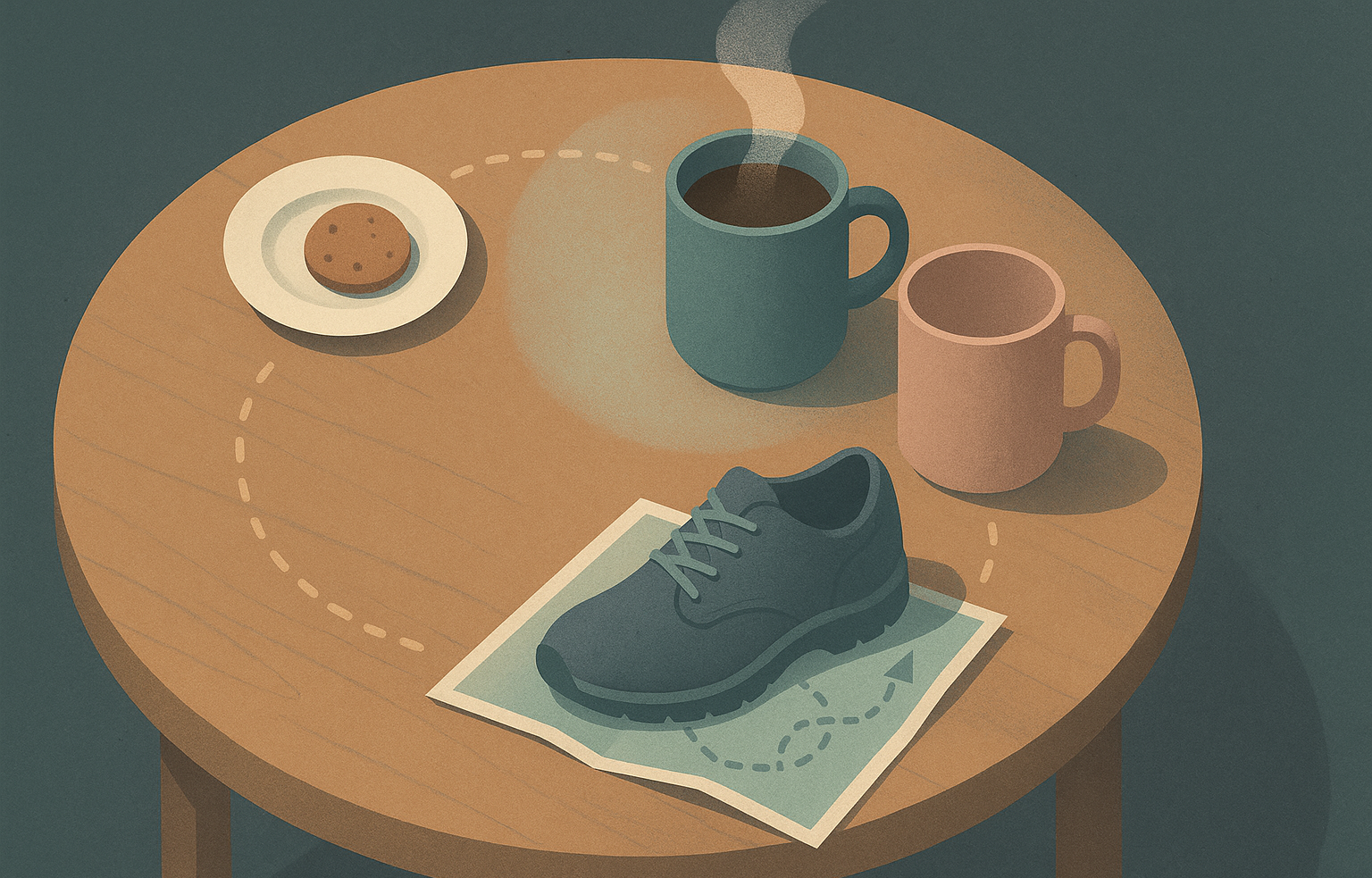
Habits run on a cue–routine–reward loop; identifying the cue and the reward lets you swap the routine.
Who this book is for / who it is not for
If you like the idea behind Atomic Habits but want to see where that thinking came from, The Power of Habit is worth your time. Charles Duhigg blends narrative journalism with behavioral science to explain why we do what we do on autopilot, and how to redirect that machinery toward better outcomes. Readers who enjoy stories of real companies, athletes, and social movements will find the examples memorable and motivating.
This book is less useful if you want a step‑by‑step workbook with checklists and templates. The framework is practical, but the delivery is story first, tactics second. If you already know the cue–routine–reward model in depth and are looking for cutting‑edge habit research, this will feel familiar rather than fresh. And if you dislike pop science that simplifies lab findings for general readers, the narrative style may not land.
The cue–routine–reward loop that runs your life
The book’s central contribution is a simple model: every habit follows a loop of cue, routine, reward. A cue triggers the behavior, the routine is the behavior itself, and the reward is what your brain learns to crave.
Duhigg illustrates this with his own afternoon cookie habit. Each day at about 3:30 p.m., he would leave his desk, buy a cookie in the New York Times cafeteria, and chat with colleagues. He gained weight but struggled to stop. When he broke the loop down, he experimented by changing only the routine. Instead of buying a cookie, he tried taking a walk, having coffee, or chatting at someone’s desk. He realized the true reward was not sugar, but social interaction. Once he identified that, he could keep the cue (the time of day), keep the reward (connection), and drop in a new routine: visiting a friend’s desk for a brief conversation without the cookie.
The same structure explains much larger phenomena. The book opens with the story of Eugene Pauly, a man whose memory centers were damaged by illness. He could not remember new facts or recognize his neighbors, yet he could walk around the block and find his way home, and he could form new habits when the cues and rewards were consistent. His case gave neuroscientists a clear window into how deeply habits are encoded in the basal ganglia, separate from conscious decision-making.
Duhigg’s argument is that once we see behavior as loops rather than moral failings or personality traits, it becomes more workable. You stop asking, “Why am I so lazy?” and instead ask, “What is the cue, what is the reward, and what alternative routine could satisfy that same craving in a healthier way?” If you already reflect on your behavior through values or goals, pairing that with this loop model aligns well with ideas like The Power of Goal Setting and can make day‑to‑day change less mysterious.
Keystone habits that shift everything else
Some habits matter more than others because they create ripple effects. Duhigg calls these “keystone habits.” Change them, and other changes tend to follow with less friction.
The most vivid example is Alcoa under CEO Paul O’Neill. When O’Neill took over, investors expected talk of profit margins and market share. Instead, he announced that his top priority was worker safety, measured in lost‑workday injury rates. It sounded irrelevant to financial performance. Over time, though, the focus on safety forced Alcoa to redesign processes, improve communication between workers and management, and create a culture where anyone could raise a concern. Injury rates dropped, and profits rose sharply. Safety functioned as a keystone habit around which better operations, trust, and discipline emerged.
On an individual level, exercise often plays the same role. Duhigg cites research showing that when people start exercising consistently, they are more likely to improve diet, smoke less, and manage stress better, even if they never set explicit goals in those areas. The structure of fitting workouts into their schedule, tracking progress, and feeling daily wins primes them to make adjacent choices that line up with a healthier identity.
The practical takeaway is to be selective. Instead of trying to overhaul ten habits at once, identify one or two that are structurally important, either because they change your environment or because they signal a different story about who you are. Starting a consistent morning routine, for example, can become a keystone that shapes focus, energy, and what you say yes to during the rest of the day. This mirrors the idea in The Compound Effect of Small Habits that tiny, repeated choices create outsized results.
How organizations and marketers engineer habit loops
The Power of Habit moves beyond individual behavior to show how companies and institutions deliberately build or exploit habit loops.
Duhigg’s story of Target’s predictive analytics is unsettling and memorable. Target analyzed purchasing patterns to infer which shoppers were likely pregnant before they had publicly disclosed it. The chain then mailed them coupons for baby products, weaving those offers into circulars with other household items so the marketing felt habitual, not jarringly specific. One father famously complained that his teenage daughter was being targeted with baby coupons, only to discover later that the algorithm was right. The point is not just that data mining is powerful, but that retailers want to insert themselves into the cue–routine–reward loops of major life transitions, when new habits are malleable.
He also dissects how companies like Pepsodent popularized toothbrushing by creating a new craving. Early toothpaste ads framed brushing not as hygiene, but as a way to remove the “film” on your teeth. The formula included ingredients that created a tingling sensation. That physical cue became part of the reward; people came to associate clean, tingly teeth with satisfaction and confidence. The habit stuck because the loop was complete.
Inside organizations, habits show up as routines no one questions. Duhigg tells the story of a catastrophic fire at a London Underground station, where unexamined organizational habits blocked quick response. Firefighters, station managers, and central command each followed their own scripts, but those scripts did not align. Afterward, leadership had to rewrite routines so that in an emergency everyone knew who owned which decisions. The lesson is that cultures are, in large part, overlapping habit loops, often invisible until they are stress‑tested.
For anyone leading a team, this section is a reminder that “how we do things here” is not random. You can intentionally design cues (meeting rhythms, dashboards, rituals) and rewards (recognition, autonomy, progress) that support the routines you want, instead of assuming culture will take care of itself.
Using belief and community to sustain difficult change
Duhigg does not claim that every habit can be changed by mechanical tweaking of cues and rewards. For habits bound up with addiction, trauma, or deeply rooted fear, another ingredient tends to matter: belief, usually supported by community.
He illustrates this through Alcoholics Anonymous. On the surface, AA’s 12 steps look very different from a behavioral loop. In practice, the program encourages people to keep the cue and many of the rewards, while substituting the routine. An AA member might still feel stress and craving at 5 p.m., and still want relief and social connection, but instead of drinking, they go to a meeting or call a sponsor. Over time, this new routine is reinforced by group norms, stories, and identity: “I am a sober person who reaches out instead of drinking.” When life hits hard, that identity and the belief that change is possible keep the new routine from collapsing.
Duhigg connects this to a civil rights example: the Montgomery bus boycott. The initial spark came from Rosa Parks’s arrest, but the habit of cooperation spread because existing social networks, churches, and civic groups created structures for participation. People shifted routines en masse, walking or carpooling instead of riding buses, because the community gave them both the belief that it mattered and the practical support to sustain it.
Belief, in this framing, is not abstract positivity. It is the shared conviction, often modeled by others, that “people like us can live this way,” coupled with systems that make the new routine doable. For challenging habits, this is a nudge to look beyond willpower and ask who else, and what structures, need to be part of your loop.
Where the model starts to crack
The Power of Habit is persuasive because the loop framework is simple and the stories fit it well, but reality is messier than the book sometimes admits. Critics have noted that some of the corporate and social movement case studies emphasize clean narratives over the full complexity of events. For example, the Montgomery bus boycott involved legal strategies, political negotiation, and years of groundwork that go beyond “new social habits.”
On the science side, the cue–routine–reward model captures a lot, yet not all behaviors map neatly to it. Emotions, environment design, and structural constraints play a larger role than the loop suggests, especially for people living with poverty, chronic illness, or unstable work. Some readers also find that the method of swapping routines around the same cue and reward works well for moderate habits, like snacking or procrastination, but feels inadequate for deeper compulsions or mental health challenges. The book nods to these limits, particularly in the addiction chapters, though its overall tone can still oversell how much control individuals have over entrenched patterns.
Where to start
If you want the core framework with minimal time investment, start with the early chapters that introduce the habit loop and the story of Eugene Pauly, then read the section where Duhigg unpacks his own cookie habit. From there, the chapter on keystone habits and the Alcoa case provides the most leverage for both personal and organizational change. You can skim the later sections on marketing and social movements if you mainly care about individual behavior, then return to them when you are thinking about culture or leadership.
A single habit, understood clearly, can change the texture of your days more than a dozen vague intentions ever will.
The Golden Rule of Habit Change: You can’t extinguish a bad habit, you can only change it. — Charles Duhigg