The Two-Minute Rule
Your head is full of tiny unfinished tasks that quietly drain you. The two-minute rule clears that mental noise so you can focus on what actually matters.
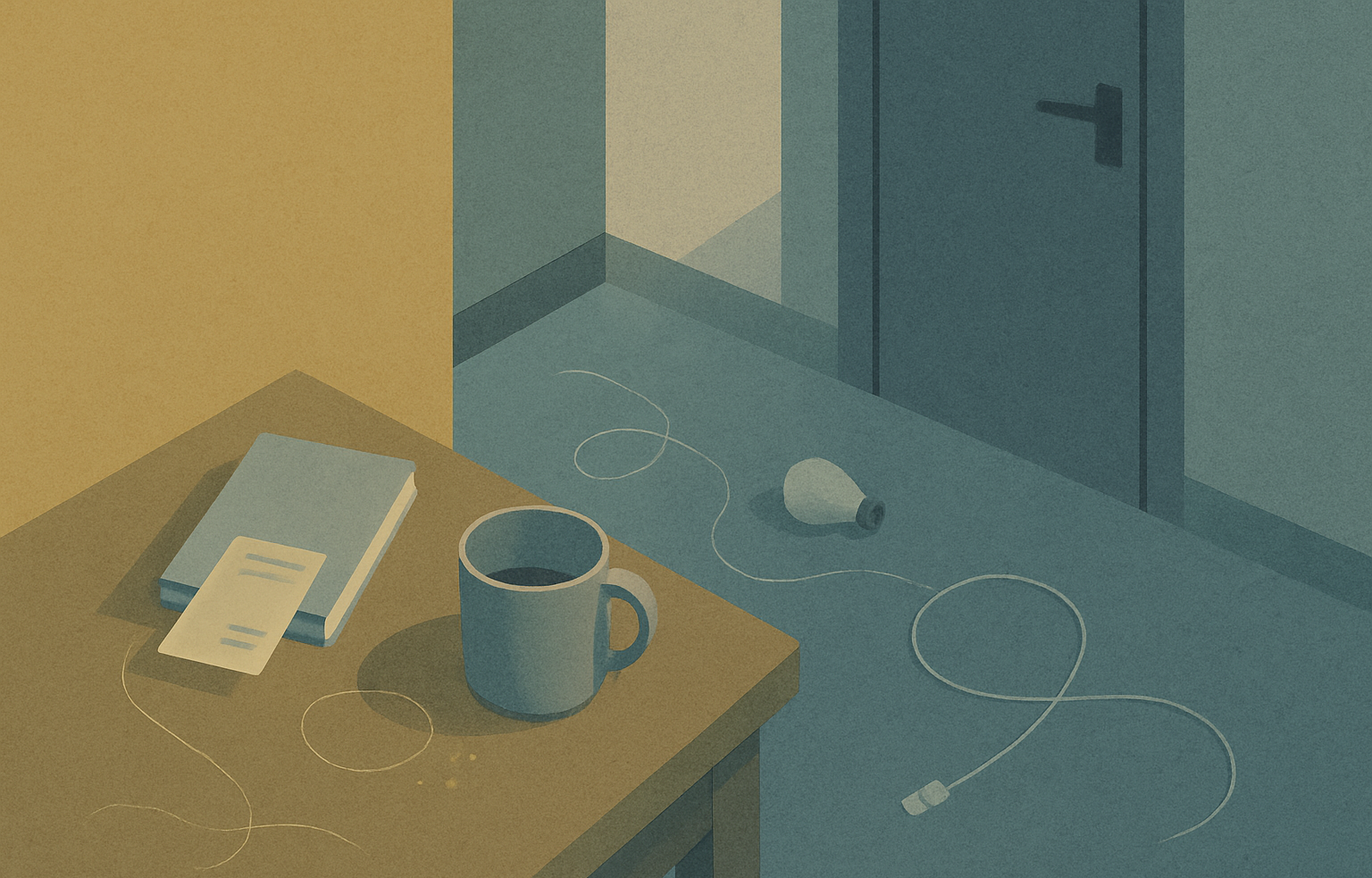
The Quiet Weight Of Tiny Unfinished Things
You notice a lightbulb out in the hallway, a bill on the counter, a text from a friend you mean to answer. None of these tasks are big, yet they trail behind you all day like loose threads.
By evening, you feel oddly tired, even if you did not tackle anything complex. That tiredness is not laziness. It is the drag of low-grade mental clutter, and the two-minute rule is a simple way to clear it.
What The Two-Minute Rule Actually Is
You run into versions of this idea in a lot of places. James Clear uses it to make habits easier to start. You also see it used inside task apps and planning methods as a way to clear small items from your to-do list. The wording changes, but the core for you is the same:
If a task will take less than two minutes, you do it immediately instead of storing it in your head, your inbox, or your task app.
You can treat it as a tiny decision tree:
- You notice a task.
- You quickly estimate: under two minutes or over two minutes.
- If under two minutes, you do it now.
- If over, you park it somewhere trustworthy: calendar, task list, or project plan.
That is the full rule. No fancy app. No template. Just a small commitment to stop saving tiny tasks for later.
A few examples that fit:
- Taking a dish from your desk to the kitchen.
- Replying to a simple yes or no email.
- Putting your charging cable back where it lives.
- Throwing junk mail directly into recycling.
- Writing a one-sentence note about an idea in your notebook.
Individually, these actions are not meaningful. The value for you comes from what they prevent: small piles of unmade decisions that pull on your attention.
You can also adjust the number if two minutes feels too tight or too loose. Some days you might treat it as a “one-minute rule” so you do not get sucked into chains of tasks. Other days, if you have margin, you might stretch it slightly. The spirit stays the same: act now on the truly tiny things.
Why Tiny Delays Cost More Than You Think
You might tell yourself that leaving a glass on the table or ignoring a short email reply is trivial. It is, once. The cost appears when you repeat it all day, every day.
Each time you notice an unfinished thing, you spend a little attention on it. You might:
- Judge yourself for not doing it.
- Argue internally about when you will get to it.
- Try to remember it for later.
That friction repeats when you see the same thing again. The glass sits there. The email remains unread. The bill still waits on the counter. You are not only postponing tasks. You are re-opening tiny loops in your mind, over and over.
Picture this:
You see the bill in the morning and think, “I should pay that later.”
At lunch, you move it to wipe the table and think, “Right, that bill.”
At night, you see it again and feel a background worry.
Paying it might take ninety seconds. Across the day, you may spend more than that in micro-moments of noticing and stressing about it.
This is where the two-minute rule quietly helps you. You trade a small, single action for a long, scattered trickle of attention. You stop reheating the same decision.
A contrarian twist is that you often overestimate the relief you will feel from finishing big goals, and underestimate the relief of clearing tiny nagging tasks. A clean email inbox or a sink without dishes will not change your life, but they give you a clearer mental surface so you can tackle the work that does.
You can feel this difference when you sit down to something hard. If your space is full of half-finished little things, your mind feels jumpy before you even begin. When you have already taken care of the quick stuff, you have fewer excuses available. The silence around the task is louder, and in a good way.
Where The Rule Helps, And Where It Hurts
The rule is powerful, but it is not sacred. If you use it blindly, it can actually wreck your focus.
When the rule helps
The rule works best in contexts where you are already in maintenance mode or between tasks, such as:
- Walking through your home or office.
- Doing admin work at your computer.
- Winding down your day.
- Transitioning between meetings.
In these windows, your attention is already fragmented. Doing a two-minute task now is almost always better than carrying it into tomorrow.
You might:
- Put your keys in the same place instead of dropping them anywhere.
- Rename a file properly instead of leaving “Untitled 3”.
- Schedule a dentist appointment while you have your calendar open.
You free up future you from a swarm of small annoyances.
When the rule hurts
The common mistake is applying the two-minute rule while you are doing something that matters deeply.
You sit down to write or study, then:
- A notification appears about a comment. You think, “Replying will take less than two minutes.”
- You notice a dirty cup on your desk. “It will only take a minute to rinse.”
- You remember a message you forgot to send. “I should just do it now.”
Individually, each action fits the rule. Together, they break the larger focus block you were trying to protect.
You might have had a morning like this: you plan a 60-minute block to work on a proposal. Ten minutes in, you notice a bill on your desk and pay it. While you have your banking app open, you check one more balance. A new email arrives, so you “quickly” reply. By the time you return to the proposal, you are twenty minutes in and have not done the hard part yet. The rule did not fail. Your context did.
The rule should serve your focus, not invade it. A useful safeguard for you is this:
Only apply the rule if it does not interrupt a planned block of deep or demanding work.
You can write that somewhere visible if you need to. The two-minute rule is perfect for cleaning up the edges of your day, not for slicing up the middle of it.
Turning Two-Minute Tasks Into Habit Anchors
Two minutes is not just enough time to finish small chores. It is also enough to start habits you keep telling yourself are “too hard.”
You often fail to build a habit because you picture the fully formed version:
- A 45-minute workout.
- A 30-minute meditation session.
- An hour of language study.
Your brain looks at that and quietly opts out. The resistance is too high on normal days.
You can use a second, related idea, a two-minute starter, to shrink the starting point. Instead of “work out,” your two-minute version becomes “put on workout clothes and do five squats.” Instead of “study Spanish,” it becomes “open the app and complete one short exercise.”
You keep the bar for success tiny and consistent. You can do more if you feel like it, but the definition of “I did it” stays inside that two-minute window.
You can pair this with existing routines:
- After you make coffee, you do a two-minute stretch.
- After you brush your teeth at night, you read two pages of a book.
- After you sit down at your desk, you write one sentence in your notes.
You are training identity, not chasing heroic output. You become the person who always does a small version, which is far better than the person who dreams about the perfect version and does nothing.
The key difference from the earlier use of the rule is intent. In one case, you eliminate clutter. In this case, you lower the threshold to start a meaningful behavior.
You can test this with one area of your life that keeps slipping. If you keep putting off learning a skill, create a two-minute starter for it and commit to that starter every weekday for a month. You might be surprised by how often the tiny start pulls you into doing more.
When “Quick Tasks” Turn Into Hiding Places
There is another edge case you might not notice at first: using two-minute tasks as a socially acceptable way to hide from work that scares you.
Imagine this pattern:
You are a manager with a hard feedback conversation on your calendar for the afternoon. You feel nervous, so you tell yourself you will “clean up a few things” first. You answer a couple of short emails, refill the printer paper, tidy your desk, refill your water bottle, reorder office supplies that are not urgent.
Each action fits inside two minutes. Together, they swallow half an hour and leave you more anxious, not less, because the real task is still waiting.
This is where you can use a small, honest question as a brake: “Am I doing this quick task to move forward, or to avoid something uncomfortable?” If the answer is “avoid,” you pause.
A simple rule that helps here is to pair uncomfortable work with only one or two quick tasks as a warm-up. For example, you might allow yourself to answer a single short email and clear one physical item from your desk before you open the document or schedule that scares you. After those, you go straight in.
You do not need to be harsh with yourself. You just need to notice when “productive” starts to mean “busy but misdirected.”
A Practical Way To Use The Rule Without Losing Your Day
You might worry that if you start doing every two-minute task, you will never stop. That can happen if you treat the rule as a command instead of a tool.
You need a small structure around it so it fits inside your day instead of taking it over.
1. Choose your “two-minute windows”
Pick a few natural points where you will apply the rule aggressively, for example:
- First 15 minutes after you start your workday.
- Right after lunch.
- Last 10 minutes before you leave your desk.
- The walk through your home before bed.
Inside those windows, your default is yes: if something looks like a two-minute task, you do it.
Outside those windows, you are more selective. You might still apply the rule for truly one-off tasks, like throwing away a piece of trash you are holding, but you do not go hunting for them.
Here is how this can rescue you in practice. Suppose you finish a meeting ten minutes early. Instead of scrolling your phone, you switch into a two-minute window and clear three tiny tasks that have been bugging you. You log an expense, reply to a simple message, and put away a stack of documents on your chair. When your next meeting starts, your space is clearer and your mind feels lighter, but you have not cut into any planned deep work.
2. Protect your focused blocks
For any block of demanding work longer than 30 minutes, decide in advance that you are off-duty for the two-minute rule. You can:
- Close your inbox.
- Silence notifications.
- Keep a small notepad where you jot down any “quick things” that pop into your mind.
You are not ignoring those tasks. You are postponing them intentionally to your next two-minute window. Writing them down keeps your brain from looping on them.
This guardrail helps in those moments when a “quick thought” would normally pull you away. If you are mid-essay and suddenly remember a package you need to track, you write “check package” on the notepad and keep typing. The thought is captured, so your brain relaxes, and your focus block stays intact.
3. Set a ceiling on “quick task chains”
Sometimes one small task reveals another. You open a drawer to put away one item, then notice something else that belongs somewhere else, then you are rearranging a shelf. The original action took twenty seconds. The chain takes twenty minutes.
Give yourself a simple escape rule:
After you complete three quick tasks in a row, you pause and ask, “Am I still in my two-minute window, or am I avoiding something bigger?”
If you are off-window, stop and return to your main plan. If you are in a window, you can choose to keep going, but at least you are acting on a conscious choice, not drifting.
You might see this play out while working from home. You stand up to put a mug in the sink, then you notice dishes on the counter, then crumbs on the stove, then a sticky spot on the floor. Without a ceiling, you can lose half your break to cleaning. With the three-task rule, you rinse the mug, load one plate, wipe one small area, then stop and ask the question. That pause is enough to pull you back before the quick tasks swallow your afternoon.
This small ceiling prevents you from turning a helpful rule into a subtle way to procrastinate on harder work.
One Small Step Today
Pick the next hour of your day and declare it an experiment. For that single hour, apply the two-minute rule strictly to anything that does not interrupt deep work: if it takes less than two minutes and you are not in the middle of a focused block, you do it immediately. Notice how your space looks and how your mind feels when the hour ends, then decide what part of that feeling you want to keep.