Designing Friction for Better Habits
Your habits follow the path of least resistance around you. Shape the small hassles and shortcuts in your space, and your behavior begins to shift on its own.
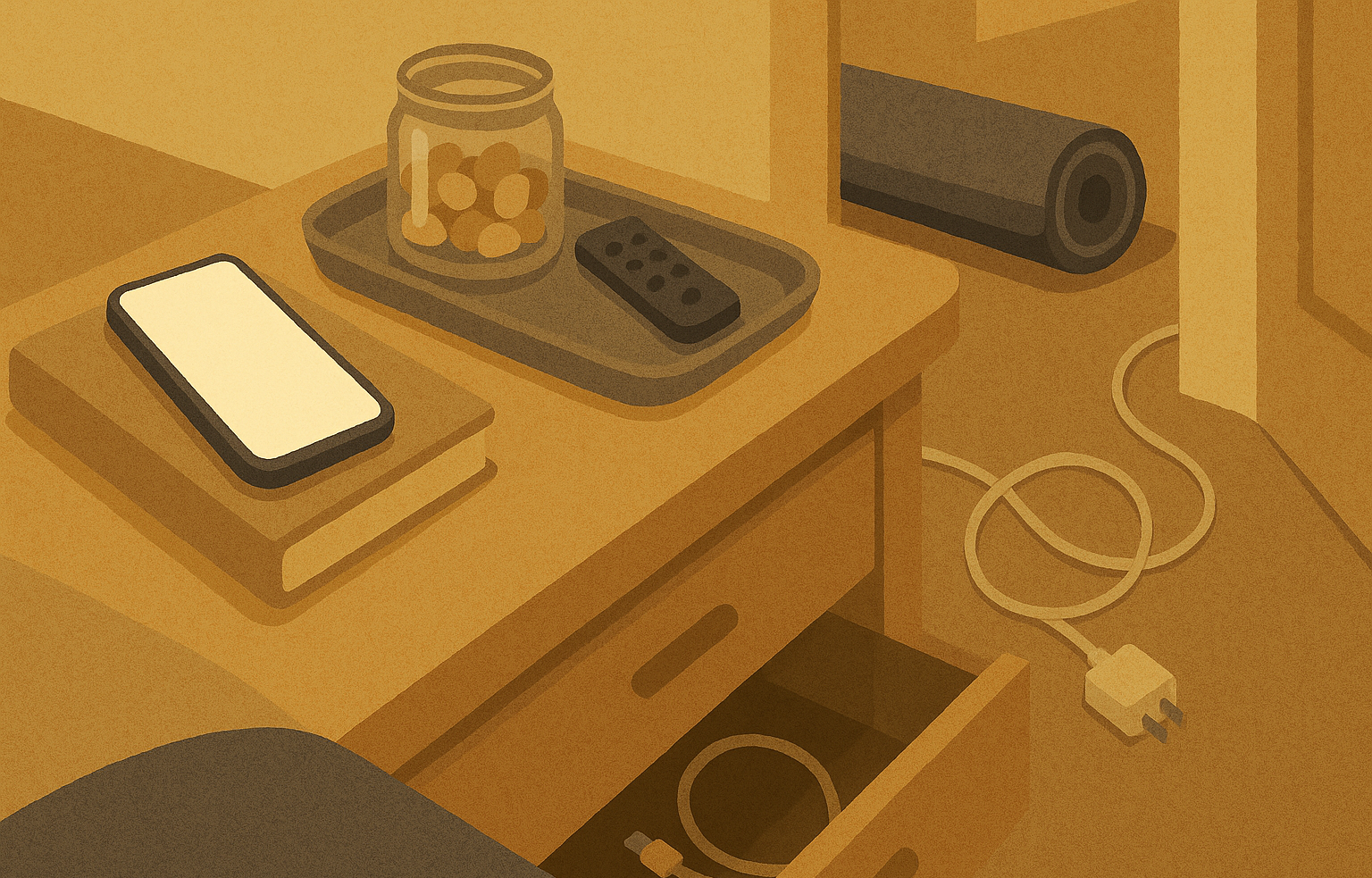
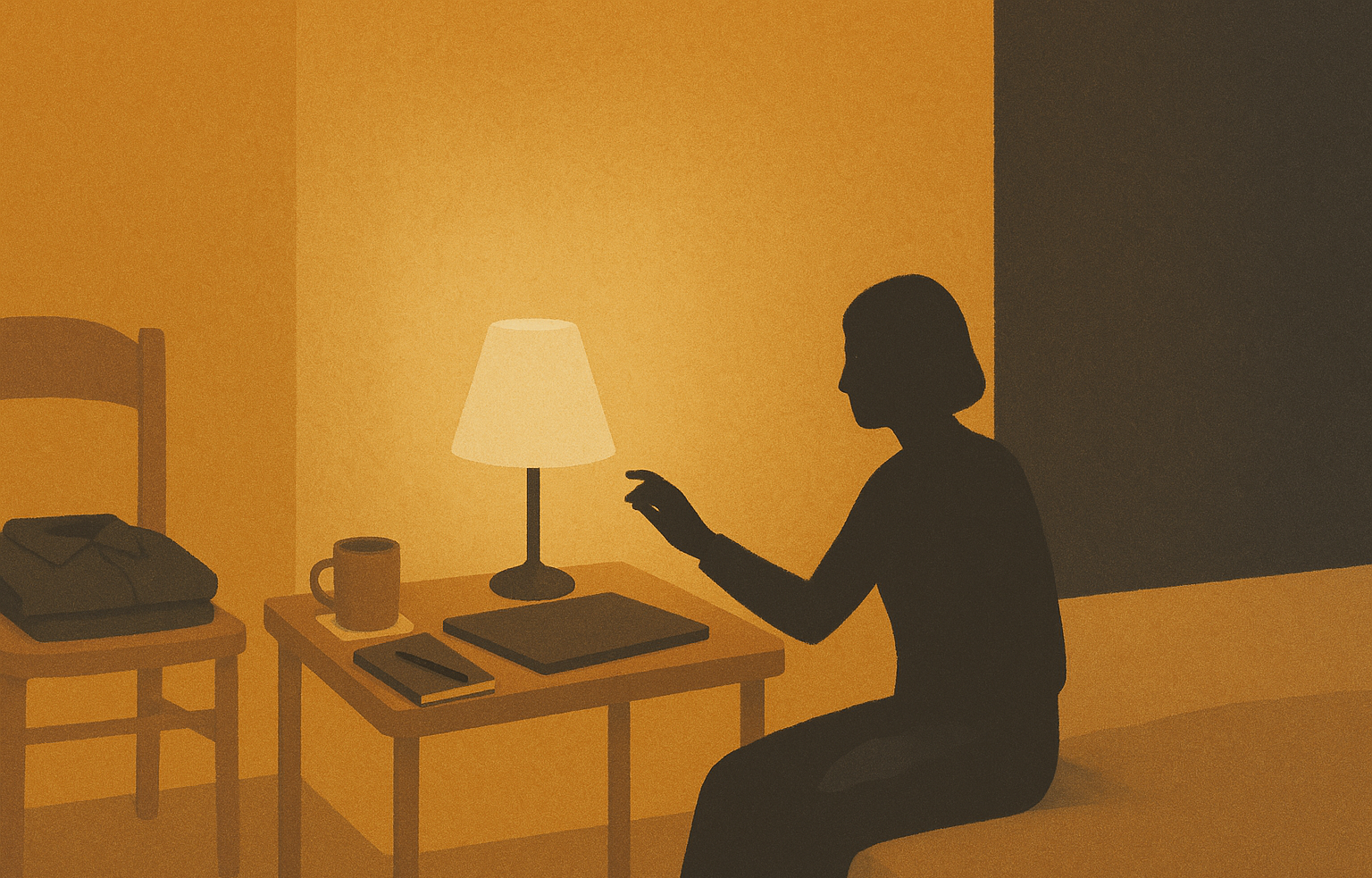
You promise yourself you will read before bed, then find yourself scrolling because the phone is closer than the book. Your plans keep losing to whatever is easier in the moment, and the real lever is the friction in your way, not your willpower.
Your behavior follows friction. Wherever the path is clear, you slide. Wherever a step gets in the way, you stall. Once you see this, you can stop blaming your character and start shaping the small obstacles and shortcuts around you.
Why Friction Quietly Runs Your Habits
When something is just a bit harder, you unconsciously avoid it. When it is slightly easier, you drift toward it without thinking. One extra step is often the difference between a daily habit and a wish.
You see this in small places:
- The show that autoplays keeps you watching longer than you meant.
- The snack that sits open on the counter disappears faster than you planned.
- The app on your home screen gets checked dozens of times a day.
None of this feels like a decision. You simply follow what is in front of you. James Clear writes about this as environment design: your surroundings constantly vote on your future behavior.
Picture yourself trying to study more. Your notes are in a drawer, the book is in a backpack, the phone is open on the desk. Every time you sit down, the highest friction option is the one that matters most, and the lowest friction one is the easiest distraction. The afternoon ends in a blur.
You tend to blame laziness, focus, discipline. Underneath, the layout is rigged. If you never change the friction, your habits will keep snapping back to the same grooves.
Friction is powerful because it works in both directions:
- Less friction makes behavior more likely.
- More friction makes behavior less likely.
You can use that to your advantage instead of letting companies, defaults, and old setups use it on you.
The Two Kinds of Friction You Can Design
You deal with two main kinds of friction every day: the friction that slows down starting, and the friction that keeps you going once you have started. You can adjust both.
1. Startup friction
Startup friction shows up in the first 10 to 30 seconds of a behavior. That tiny window is fragile. Any extra step can kill the impulse.
For a morning workout, startup friction looks like:
- Hunting for clean clothes.
- Realizing your shoes are in the car.
- Needing to clear space in the living room.
- Waiting for a fitness video to load with ads.
Each step is minor. Together, they are enough to make a sleepy brain bargain for more sleep.
Reducing startup friction is how you make good habits feel like the default instead of a special event. You lay out your clothes the night before. You leave the yoga mat unrolled. You keep a specific playlist ready. When you wake up, there are fewer decisions and fewer chances to opt out.
Startup friction also keeps bad habits alive. If junk food is at eye level, wrappers open easily, and the trash can is nearby, the path from impulse to action is almost seamless. Adding even one or two clumsy steps changes what happens when you walk into the kitchen bored.
2. Sustaining friction
Sustaining friction appears after you have already started. It is the drag that nudges you to stop sooner or switch tasks.
You feel this when:
- Your laptop battery is low during focused work.
- Notifications keep popping up while you read.
- A cluttered workspace makes you shuffle piles before you can continue.
Here you want the opposite design. For good habits, you reduce sustaining friction so staying in them takes less effort than quitting. For unhelpful habits, you introduce sustaining friction so they naturally slow and fade.
For example, if you tend to binge shows at night, autoplay removes almost all sustaining friction. Turning it off forces you to press play each time, which gives you a small moment to ask if you are actually still choosing to watch.
Once you see the split between startup and sustaining friction, you can look at any habit and ask two questions:
- What makes it harder to start than it needs to be?
- What makes it easier to continue than it should be?
Your answers tell you where to adjust the environment.
Make Good Habits Almost Inevitable
You already know some version of habit stacking and preparation, yet you may still rely mainly on willpower. The shift here is to treat friction as the main lever, not your mood.
Start with one habit you want more of. Make it specific: reading 10 pages, going for a 20 minute walk, planning your day, cooking once in the evening.
Then work through three layers.
1. Put the habit in your way
You are more likely to do what blocks your path than what is hidden in a drawer.
Examples:
- If you want to read at night, place a book on your pillow in the morning. You have to move it to go to sleep.
- If you want to stretch after work, place a mat near the doorway you use to enter your home.
- If you want to drink more water, keep a full bottle on your desk, not in the bag or kitchen.
You skip reliance on memory and let the object itself create a gentle obstacle that reminds you.
2. Remove one decision from the start
Decisions are a form of friction. The fewer early choices, the cleaner the start.
You can do this by:
- Pre-choosing the workout video and saving it to a playlist.
- Pre-writing the first sentence of your next writing session.
- Pre-deciding the route and time for your walk.
This connects well with implementation intentions you may have seen in our article on Implementation Intentions. A clear “when and where” reduces mental friction. Your environment can go further by removing what you need to think about in the first minute.
3. Reduce the drag on staying in the habit
Once you are in motion, the next danger is unnecessary interruptions.
You can:
- Keep your charger near your usual work spot so low battery does not end a deep work block.
- Store your journal and pen together, in the same spot, so you never have to hunt for them.
- Set your reading app to hide the interface so you are not tempted by the library or store.
The pattern echoes what Cal Newport describes with deep work: a setup where focus is easier than distraction, at least for the block you planned.
The key is to change your surroundings once, in a way that repeatedly removes friction. You automate discipline through layout.
Make Bad Habits Annoying Enough to Fade
You can soften the pull of unhelpful habits by letting friction carry some of the load. When the path to an urge is just clumsy enough, many impulses fade before they become action.
This looks less dramatic than you might expect. It is mostly small hassles.
1. Add steps between you and the habit
Each extra step gives your reflective brain a chance to catch up with your impulse.
If you tend to:
- Check social media too often: log out after each session, or remove it from the home screen. Needing to type a password or search for the app slows the loop.
- Shop online out of boredom: delete saved cards, or use a browser that forgets your payment info. The time spent fetching your card is often enough to cancel the purchase.
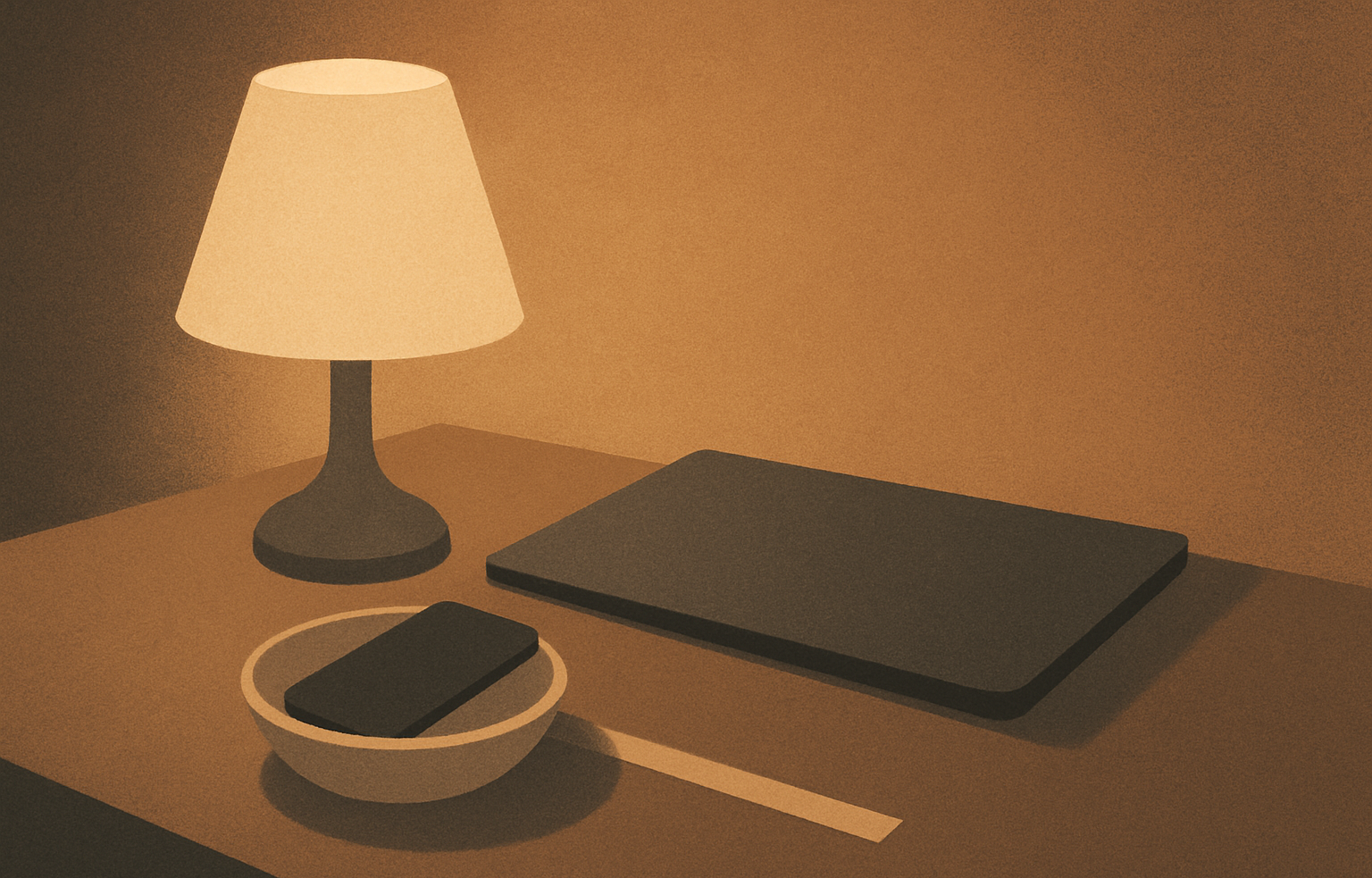
- Watch videos late at night: keep the device charger in another room. When the battery runs low, you either plug it in and leave it or you walk away.
You keep everything technically allowed while creating gentle speed bumps so thought can rejoin the process.
Our article on Digital Minimalism Without the Dogma goes deeper into this style of friction for screens specifically. The same principle applies across many behaviors.
2. Make the first seconds unattractive
Startup friction can be emotional as well as physical. A behavior that feels slightly unpleasant in the first moment is easier to skip.
Examples:
- If you snack mindlessly, store treats in an opaque container on a high shelf. You must drag a chair, reach up, and open a container that does not show what is inside.
- If you smoke on the balcony, keep your cigarettes in the car or another room. The minor inconvenience of going to fetch them often shortens the number of daily breaks.
- If you stay too long in bed with your phone, charge it across the room at night. Standing up into cold air to check it changes how often you reach.
You let friction carry part of the load that you used to put entirely on self-control.
3. Remove the lubricants that keep the habit running
Some details keep unhelpful habits running. When you identify those, you can add drag right where it hurts the habit.
For example:
- Turn off autoplay and recommendations on streaming services.
- Disable notifications for apps that trigger spirals of checking.
- Use a smaller plate or glass for foods you tend to overconsume so refills require a pause.
Small inconveniences add up. Over weeks, they interrupt automaticity. The habit loses some of its grip because the behavior is no longer seamless.
How to Adjust Friction Without Rebellion
There is a trap with friction design. If you crank it up too fast, you rebel against your own system. Habits become a weird contest with yourself, and you start finding clever workarounds that cancel your efforts.
Instead, treat friction like volume. You can nudge it up or down slowly until it hits the right level.
A few principles help.
1. Change one environment at a time
You have different environments: home, work, commute, digital spaces. If you try to redesign all of them in a week, you create confusion. You move things, forget new spots, and spend your limited energy adjusting.
Pick one arena. For example, your desk. Work only on the friction there for a week. Make focused work a little smoother and distraction a little messier. Once that feels normal, shift to another area, such as your evening routine.
2. Keep friction adjustments reversible
If a change feels like a permanent ban, you are more likely to push back. Reversible changes feel lighter, which makes you more willing to experiment.
Instead of giving your TV away, unplug it and store the remote in a different room. Instead of deleting social media accounts, remove the apps from your phone and keep them on a single browser you use on a laptop.
If a particular friction experiment backfires, you can roll it back. That safety makes you more honest in trying bolder layouts.
3. Let data, not mood, tell you if it works
Friction is sometimes surprising. An adjustment you expect to help may not matter. Another small change you barely think about can shift a whole pattern.
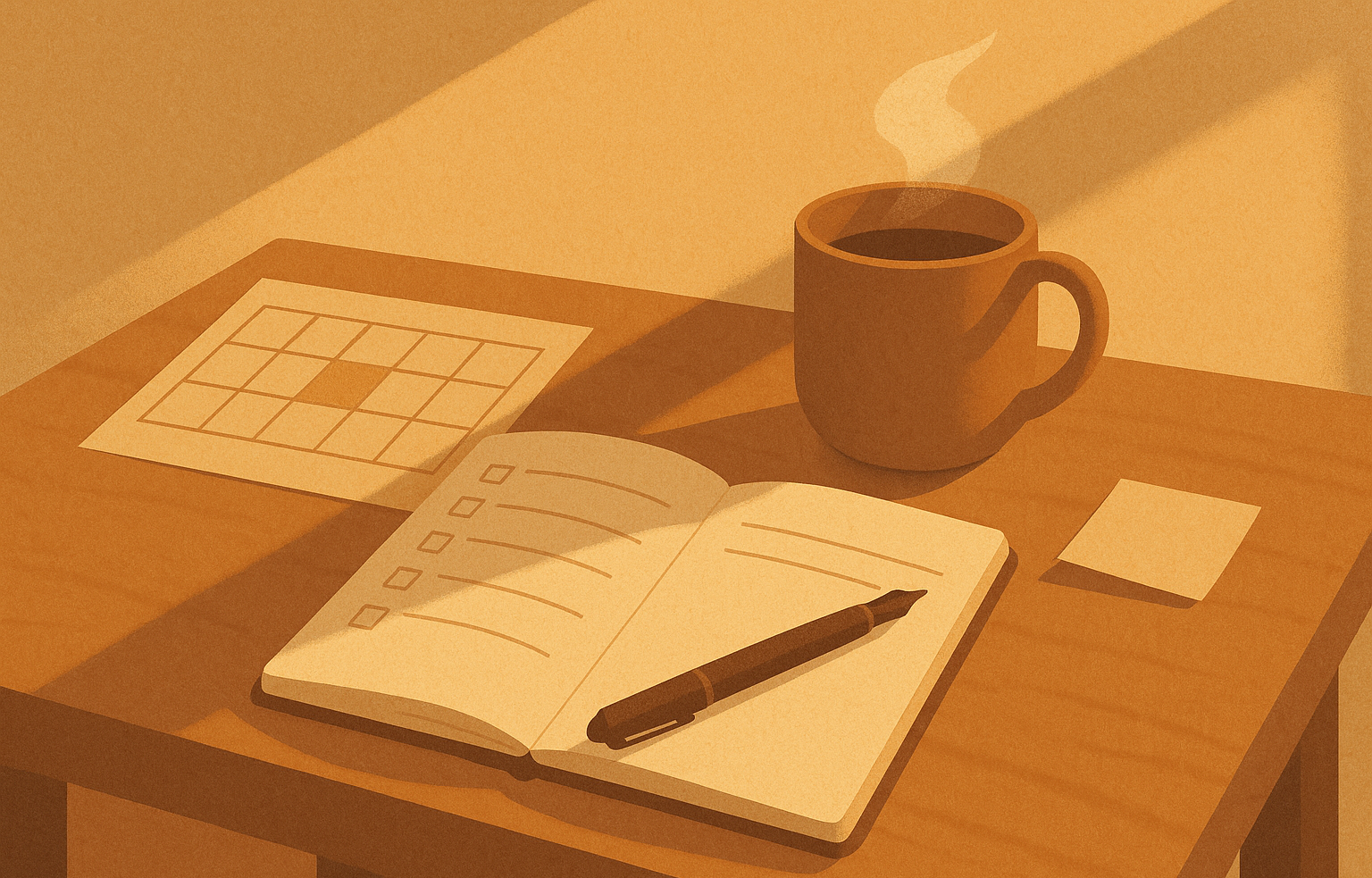
For one habit, track what actually happens for a short period. Jot down whether you did it and how easy it felt, using simple notes. After a week or two, compare the days before and after your environment tweak.
This turns friction design into a series of experiments instead of a moral test. You treat it as testing handles in the room, not judging your worth.
If you like structured check-ins, the ideas from The Art of the Weekly Review pair well with this. A quick weekly look at which friction changes helped will stop you from endlessly rearranging without results.
What to Try Tomorrow
Choose one habit you want more of, and tonight, remove a single step from the first 30 seconds of doing it. Lay out or prepare whatever clears the start before you go to bed, then tomorrow notice whether you begin that habit faster than usual.