When Things Fall Apart
When Things Fall Apart argues that leaning into groundlessness, instead of scrambling for certainty, turns fear and pain into doorways to wakefulness.
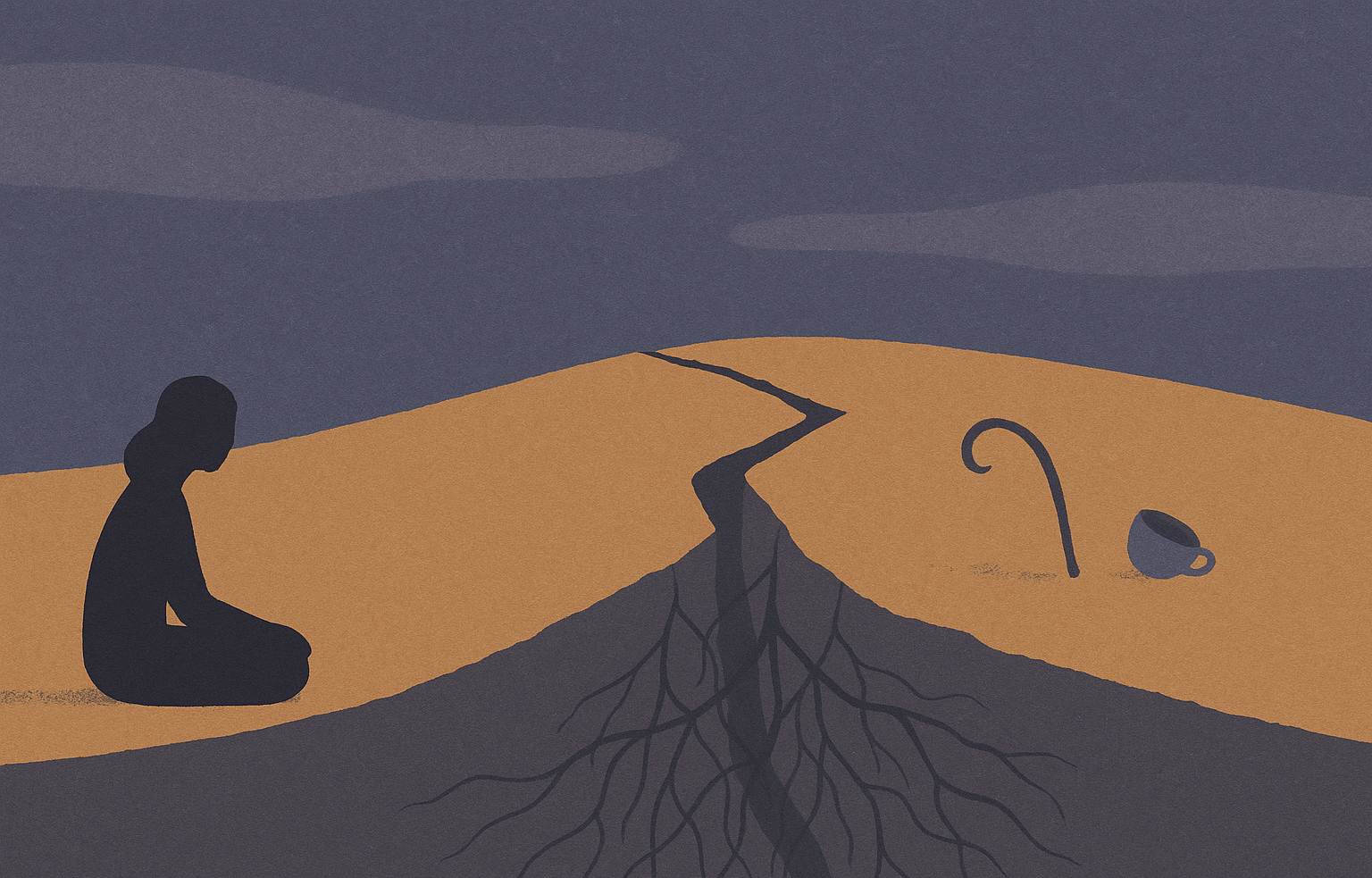
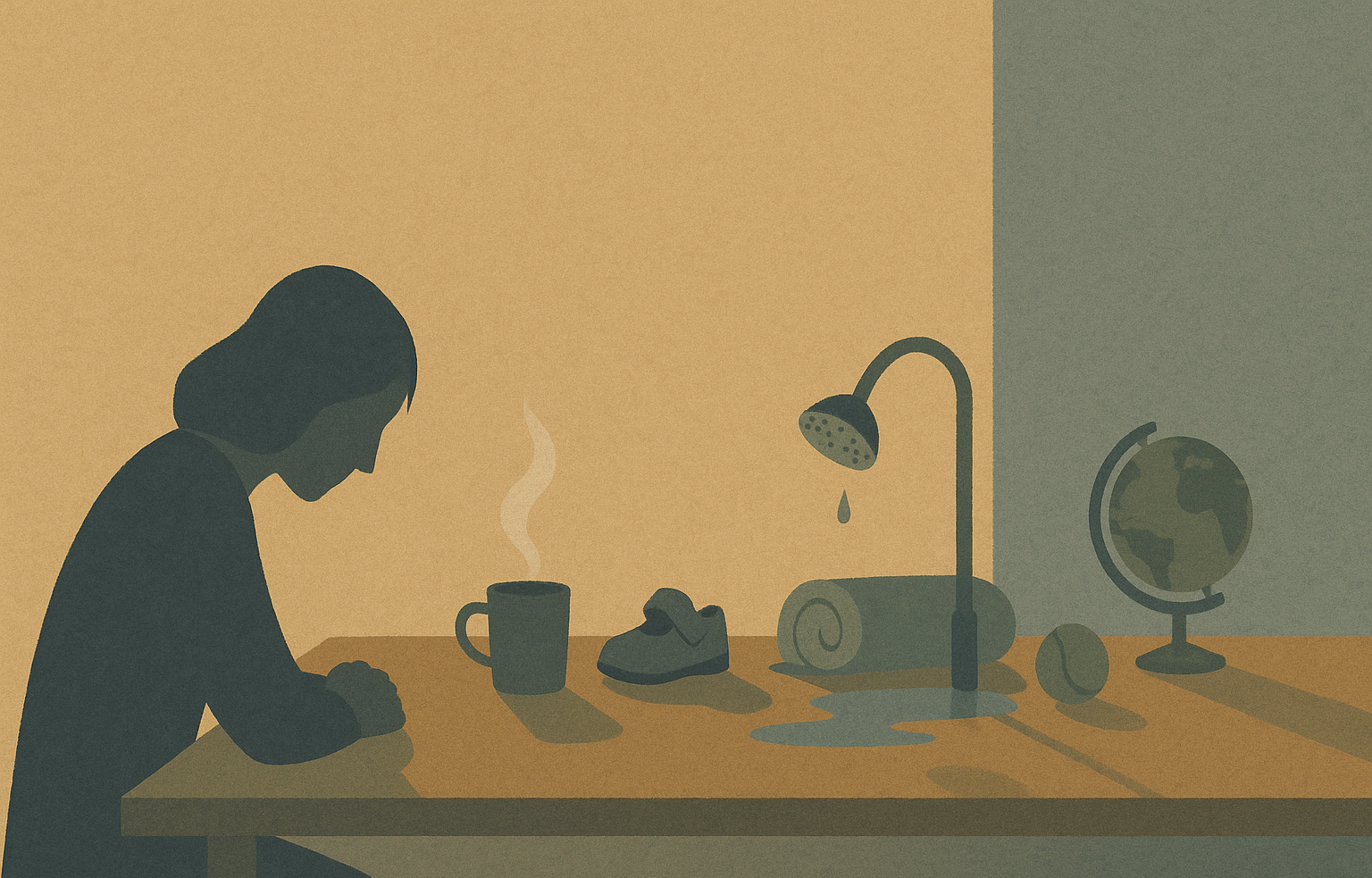
You’re sitting in a waiting room, phone dead, bad news hovering somewhere between the doctor’s door and your name on a chart. There’s nothing to do but feel your own pulse and watch your thoughts flare and scatter. Most of us, in moments like this, instinctively reach for distraction, explanation, or someone to promise it will be fine. Pema Chödrön suggests something more unsettling: what if the point is not to get away from this raw, exposed state, but to stay with it? Her work traces how that decision—not to escape, but to remain—quietly rearranges what we mean by safety.
Who this book is for, and who it is not for
When Things Fall Apart is for people who are not looking for a fix but for a way to stay present when life genuinely hurts. If you are grieving, going through divorce, illness, burnout, or a slow collapse of plans you thought were solid, this book reads less like advice and more like companionship. Pema Chödrön writes from decades of Buddhist practice and from her own experience of heartbreak, and she treats anxiety, panic, and loss as workable material rather than personal failures.
It is not for readers who want clear success strategies, vision boards, or a ten-step plan to rebuild fast. The prose is gentle but unflinching, and it repeatedly undercuts the Western self-help promise that everything can be optimized. If you are allergic to spiritual language, or you only want cognitive tricks to feel better quickly, much of this will feel slow, repetitive, or even confrontational.
Making friends with groundlessness
One of the book’s central ideas is that the ground giving way under us is not an accident; it is reality finally showing through. We spend most of our lives, Chödrön says, trying to make things solid: identities, relationships, careers, even moods. When something shatters that illusion, our first impulse is to scramble for replacement certainties.
Chödrön uses the metaphor of “groundlessness” to point to the fact that everything is in motion: health, status, feelings, the people we love. Meditation practice, in her telling, is not primarily relaxation. It is training ourselves to sit still in the middle of that motion without immediately “fixing” it. In the early chapters she describes her own panic and rage during a marital breakup and how her teacher refused to give her comfort in the form she wanted. Instead, she was encouraged to feel her humiliation and fear in the body, without a story.
This is where the book quietly diverges from most motivational writing. Rather than trying to rebuild positive thinking, Chödrön invites us to notice the physical sensations of anxiety or grief: tight chest, clamped jaw, heat in the face. The practice is simply to stay. No breathing trick, no affirmation, just a refusal to abandon the moment. That simple act of staying, repeated, erodes the belief that we cannot handle reality without a protective layer of fantasy.
For readers used to productivity framing, this is an inversion of the usual advice: the work is not to reinforce your plans, but to get familiar with the feeling of having no ground at all.
The energy of shenpa: catching the hook
A second durable idea is shenpa, a Tibetan term Chödrön introduces to name the “hook” that pulls us into our old spirals. Shenpa is the prickly tightening we feel before we grab the drink, send the angry text, open social media, or mentally attack ourselves. It is the instant of pre-addiction, the split second where discomfort appears and we reach for our usual anesthetic.
In the chapter “Hooked,” she tells on herself. A student criticizes one of her talks, and she feels a surge of defensiveness and shame. Her mind instantly starts composing rebuttals and explanations. That flash of tightening in her chest is the shenpa. The hours of mental argument that follow are the storyline she spins to get away from that raw sensation.
The practice she offers there is not to outlaw the behaviors but to learn to notice shenpa itself. She describes silently labeling it “hooked” the moment she feels that tightening, then pausing for a breath before doing anything. Maybe she still defends herself, but she does it having seen the hook. Over time that tiny recognition makes space for a different choice, or at least a little less self-hatred around the old choice.
Readers familiar with modern discussions of triggers and habits will recognize the pattern, but Chödrön’s framing is more intimate and less clinical. Shenpa is not a problem in need of eradication; it is a signal that you are close to the raw material of awakening. If you are working on changing habits, pairing this idea with the perspective in The Art of Mindfulness: Cultivating a Present and Peaceful Life can be unusually powerful, because both emphasize awareness before intervention.
Softening instead of armoring
Another strand running through the book is the invitation to soften where we usually harden. When we feel threatened, our default response is to armor up: sarcasm, intellectual distance, superiority, or a flood of self-criticism. Chödrön’s claim is that this hardening is the real source of long-term suffering, more than the original pain.
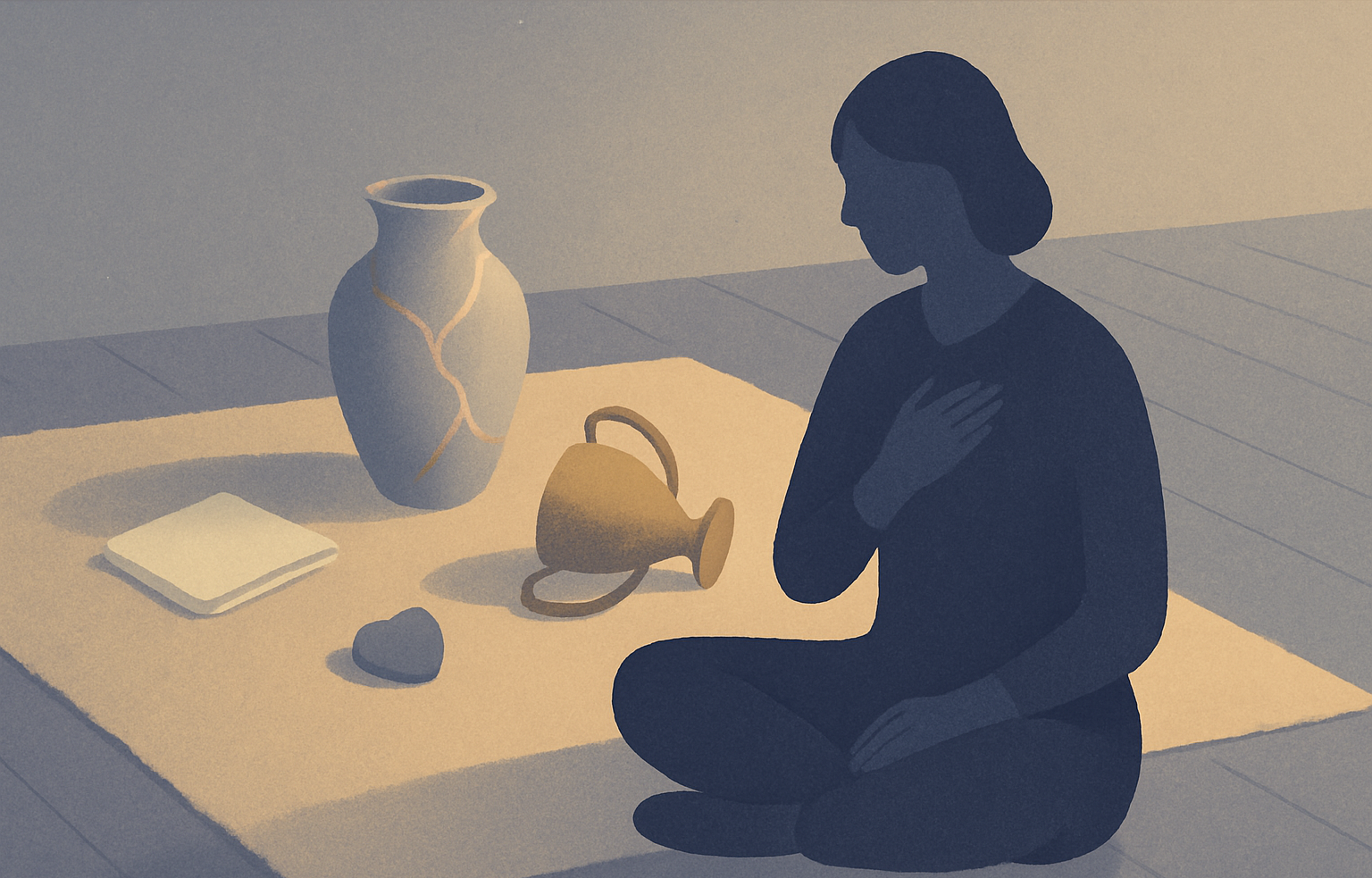
She returns often to the practice of bodhicitta, a Buddhist term she translates as “awakened heart.” In practical terms, this means letting your pain connect you to the pain of others instead of isolating you. For example, if you feel crushing loneliness, the instruction she offers is to breathe in that feeling with the recognition that millions of people are feeling exactly this loneliness right now, and breathe out a wish that they might feel some ease. This is the basis of the tonglen meditation instructions she gives in several chapters.
One of her most disarming personal anecdotes involves noticing how she picked up her dog with an almost desperate need to be soothed. She did not condemn herself for it, she simply used it as a moment to see how tightly she was clinging to comfort. That tenderness toward her own clinging is the texture of the whole book. You are not asked to stop armoring overnight, only to notice the cost of the armor, and to experiment with tiny moments of softness in situations where you would normally go rigid.
For people who have been taught that resilience is a kind of toughness, this reframing can be unsettling. Here, real resilience is the capacity to feel more, not less.
Letting life be the teacher
Much of self-development literature treats difficulty as an obstacle in the way of the “real” work. Chödrön flips that: the very circumstances you want to escape are the path. The phrase she repeats is “practice in the middle.” Do not wait for a meditation cushion, a retreat, or a better mood. Use traffic, family conflict, and your own boredom as the field where you learn to stay open.
She tells stories of students wanting detailed meditation instructions and her teacher Trungpa Rinpoche giving them tasks that seemed unrelated, like cleaning. The message was that enlightenment is not a special altered state; it is paying simple, caring attention to whatever is in front of you, including the difficult parts.
Chödrön describes her own fear of flying and how she used turbulence as practice. Instead of gripping the armrests and fantasizing about safer circumstances, she would feel her stomach drop, name the fear, and soften her belly. Nothing mystical happens in those stories. What matters is the accumulation of small, unheroic moments where life pushes against us and we do not push back quite as hard.
This approach can be oddly practical. If you are working on your personal values or rewriting your life direction, you can let the hard edges of your current reality show you what actually matters to you, rather than what you think should matter. Read together with something like 20 Critical Personal Core Values to Give Thought to, the book acts as a corrective against turning values into another perfectionist project.
The honest caveat
There is a cost to Chödrön’s stance that everything that happens is workable. For people in acute trauma, abusive situations, or systemic oppression, the instruction to lean into pain and see it as a teacher can become a subtle form of spiritual bypassing or self-blame. The book gives only passing acknowledgment to the need for boundaries, therapy, medication, or structural change. Someone reading it in the middle of serious clinical depression could easily hear “stay with the feeling” as “you should be able to endure this alone.”
The text is also light on empirical grounding. Chödrön writes from lineage, not from randomized trials, and she can occasionally sound as if mindfulness and compassion practice are sufficient responses to all forms of suffering. They are not. For many readers, these practices are vital, but they live best alongside professional help, social support, and sometimes very practical problem-solving. The book’s deep trust in inner work can tempt some of us to ignore when outer circumstances truly need to change.
Where to start in the book
When Things Fall Apart is short and nonlinear, which makes it easy to dip into and out of. If you are in the middle of a crisis, begin with the opening chapters “Intimacy with Fear” and “When Things Fall Apart.” They set the tone and introduce groundlessness without jargon. Then move to the chapter “Hooked,” where she names the patterns of shenpa that keep us circling our suffering.
If you have more stability and want to explore the compassion side, the sections on bodhicitta and tonglen practice in the middle third of the book are worth a slow read and re-read. This is a book that rewards returning to a chapter at different stages of your life rather than racing through once.
To live with any kind of wakefulness, this book suggests, is to stop bracing against the fall and learn how to land in the middle of it.
Only to the extent that we expose ourselves over and over to annihilation can that which is indestructible be found in us. — Pema Chödrön