The War of Art
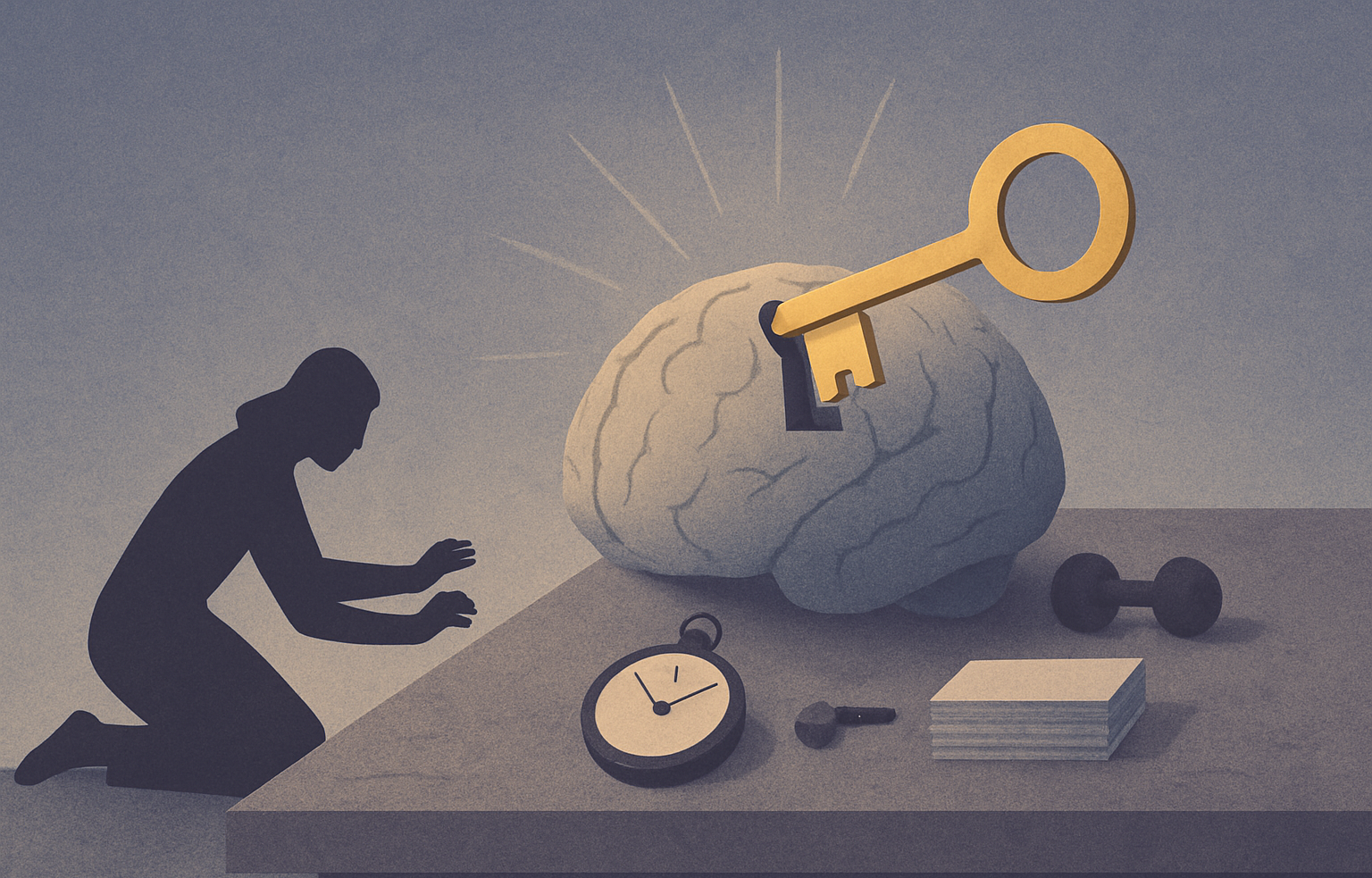
The War of Art argues that 'Resistance' is the universal force opposing creative work, and that naming it and showing up daily despite it is the entire game.
Resistance, Steven Pressfield says, is the universal force opposing creative work, and naming it, recognizing it, and showing up daily despite it is the entire game.
Who this book is for / who it isn’t for
This is a sharp, compact punch of a book for anyone who feels a gap between the work they say they want to do and the work they actually do. If you are a blocked writer, stalled founder, side‑project dreamer, or artist who can talk about the work far more easily than you can sit down and do it, The War of Art will feel uncomfortably specific. It is also strong medicine for knowledge workers whose real job is to ship ideas, not just attend meetings.
It is not for readers who want detailed productivity systems, academic references, or gentle tone. Pressfield writes like a drill instructor mixed with a mystic. If you need data, citations, and step‑by‑step worksheets, or if you dislike talk of muses, angels, or destiny, you will find both the style and the metaphysics grating. If you already have a mature practice and a calm relationship with procrastination, this may feel more like a refresher than a revelation.
Meeting the enemy: seeing Resistance everywhere
The most durable idea in the book is the personification of Resistance. Pressfield treats it as a hostile, shape‑shifting force that appears precisely when we move toward meaningful work. It is not laziness in general. It is the friction that shows up when you sit at the keyboard, open a blank canvas, launch the business, start therapy, or try to change your life.
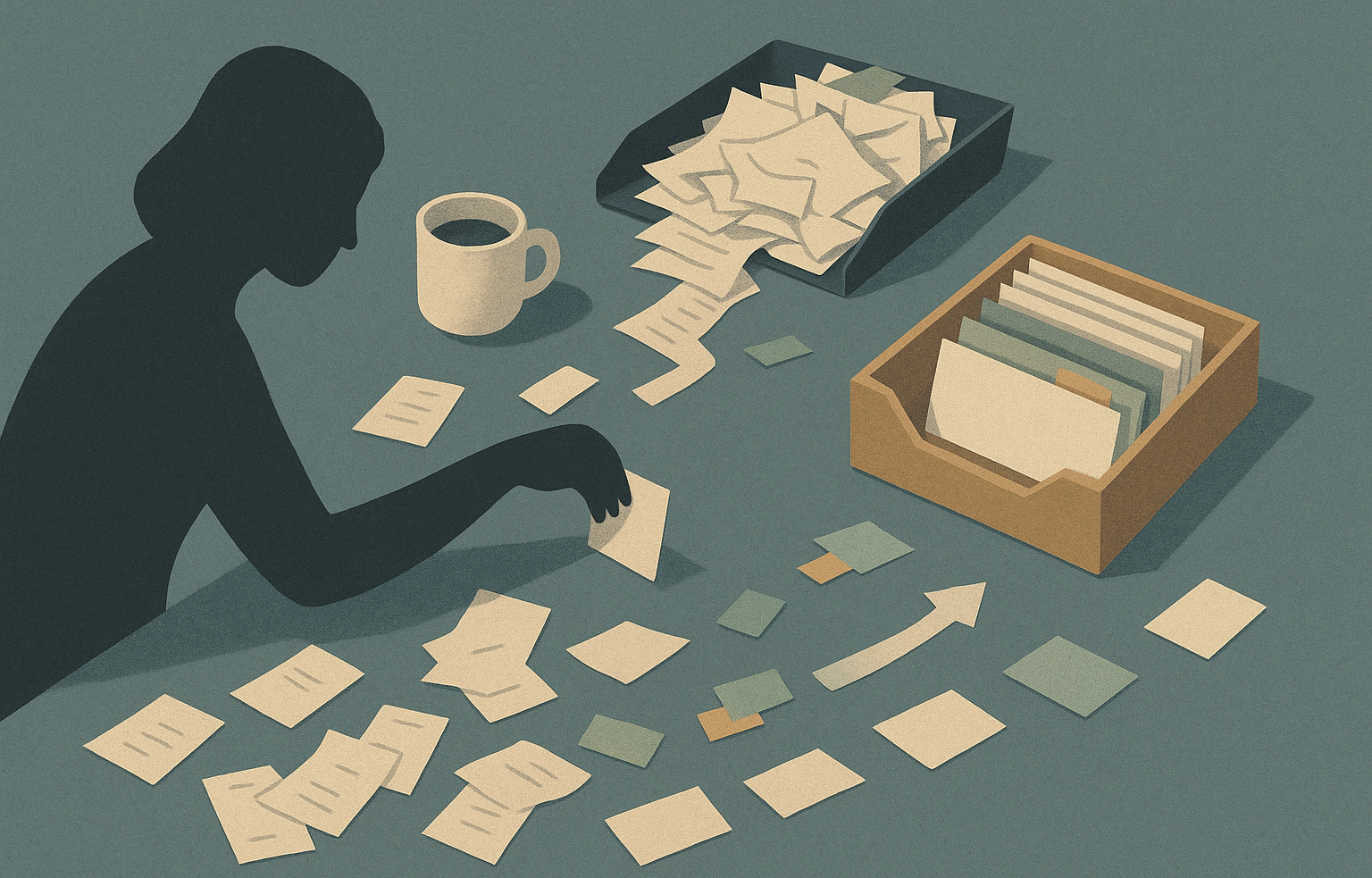
He runs through a litany of its disguises: procrastination, perfectionism, self‑doubt, victimhood, endless planning, and even overtraining or overpreparing. Resistance is why a writer suddenly feels an urgent need to clean the kitchen, why a would‑be entrepreneur keeps enrolling in courses instead of shipping, why someone committed to a new habit finds a plausible excuse on day three.
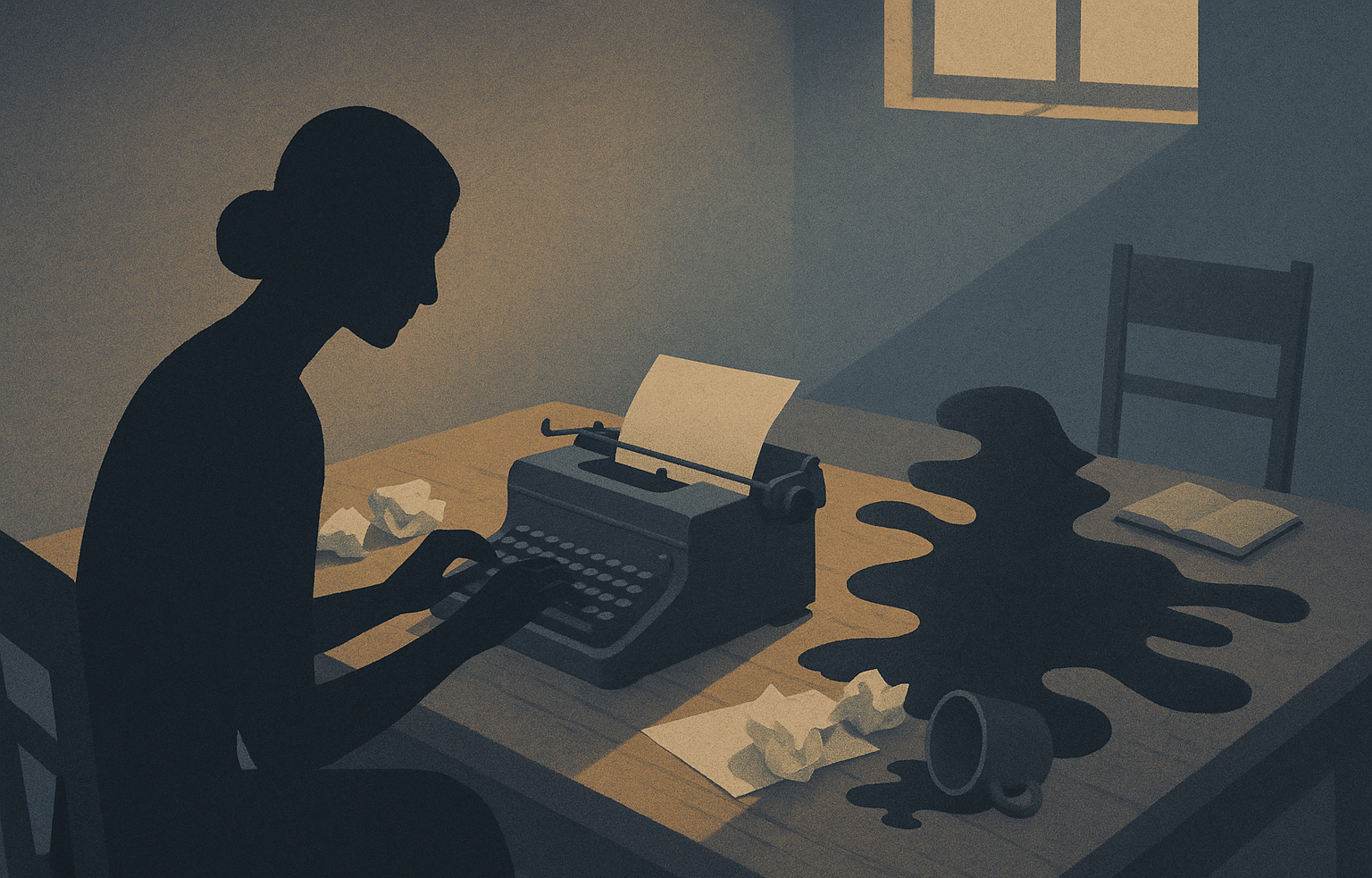
A memorable example from the book is Pressfield describing his own ritual of sitting in front of the typewriter and feeling an almost physical force pushing him away. He is an established novelist at this point, yet still feels the same dread and urge to flee that a beginner feels. The point is brutal and liberating: Resistance never disappears. Professionals just stop taking its story at face value.
Framing this inner friction as an enemy matters because it separates your identity from your impulses. You are not “a procrastinator.” You are under attack from Resistance. That small shift echoes ideas about protecting your energy from distraction, like the claim in Deep Work as a Daily Practice that focus must be defended, not assumed.
Once you see Resistance, you start noticing that it spikes around anything that would expand your life: creating, leading, speaking up, telling the truth, committing. Pressfield treats that as a compass. If something elicits strong Resistance, it is probably important.
Turning pro: the identity shift that breaks the spiral
The antidote to Resistance, in Pressfield’s telling, is not motivation tricks but becoming “a pro.” This is the book’s central behavioral move. A professional is not defined by income. It is a stance toward the work.
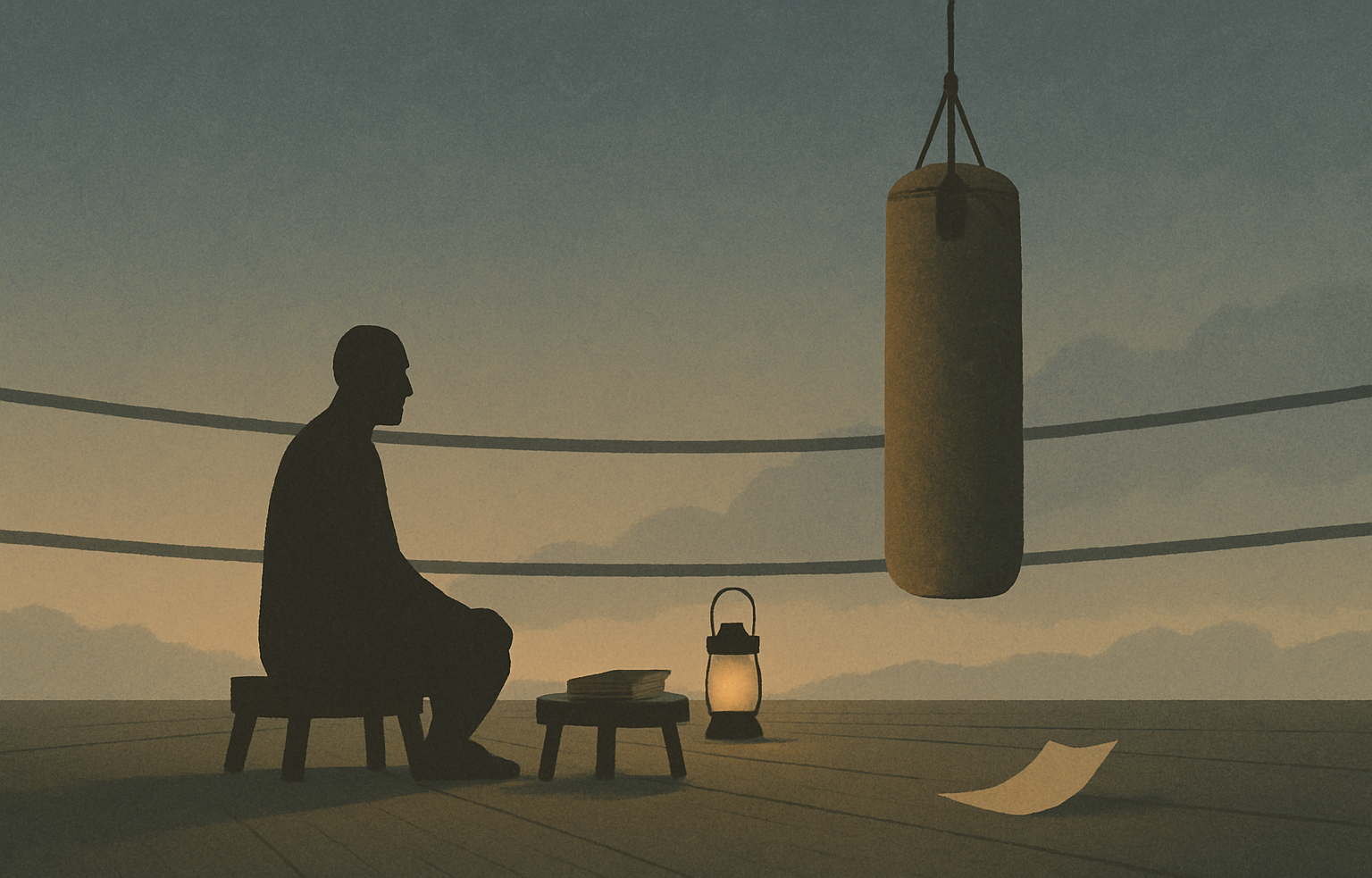
He contrasts the amateur and the pro in a series of short, sharp sections. The amateur waits for inspiration. The pro shows up at the same time, in the same place, every day, no matter how they feel. The amateur takes failure personally and quits easily. The pro treats failure as feedback and keeps going. The amateur focuses on being someone; the pro focuses on doing the work.
Pressfield grounds this in his own years of struggle. He talks about writing screenplays that went nowhere and working blue‑coller jobs while trying to “turn pro” as a writer long before he made a living from it. The internal shift happened first. He decided that whether anyone paid him or not, he would show up and do the work daily. The checks came later.
The identity angle lines up with the idea that core values and self‑definition drive behavior. If you decide one of your values is that your responsibility is simply to show up and ship, then you can build habits and boundaries around that, much like the values work in Understanding Core Values. Turning pro is a one‑line value statement about taking your work seriously.
Practically, this translates into routines: setting hours, having a dedicated workspace, starting at a fixed time, and not negotiating with yourself. The book offers fewer tactics than something like a productivity manual, but the ethos is clear. Treat your creative work with the same seriousness and regularity that a craftsperson or athlete treats theirs.
The seductive tools of self‑sabotage
One of the book’s more uncomfortable sections catalogs how clever Resistance can be. It does not just make you skip work. It happily lets you stay busy with activities that look adjacent to the work without being the work.
Pressfield calls out victimhood, criticism of others, and even addiction as sophisticated tools of Resistance. Instead of facing the blank page, you might start a fight, scroll social media, or binge TV. He tells the story of his own years of self‑destruction and drift, hinting that many of the chaotic choices people make are elaborate ways to avoid confronting their real work.
He also skewers the fantasy of “getting your life in order first.” Resistance loves the story that you will write once the kids are older, once you have the right software, once your schedule clears up. It will happily collaborate with endless self‑help consumption and goal setting as long as you do not sit down and actually do the thing.
This diagnosis can feel harsh, but it is accurate enough to sting. Many readers recognize themselves in the way he describes showing up at the typewriter and instantly feeling a desire to check the phone, tweak the outline, or research one more detail. The genius of the book is that once you call those urges by the same name, Resistance, they lose some of their authority.
The mystical frame: muses, angels, and higher stakes
In the final third, Pressfield shifts from psychology to something closer to spirituality. He argues that creative work is not only personal expression but a kind of sacred duty. There is a version of you, and of your work, that already exists in potential. Your job is to sit down and give it form.
He invokes the ancient idea of the muse and talks about “angels” that align with you when you show up like a pro. Before writing, he says a small prayer and asks for help. He treats inspiration almost as something external that rewards consistent effort. The job of the writer is to keep faith with the process, not to manufacture genius on demand.
The famous anecdote here is his description of starting his breakthrough novel, The Legend of Bagger Vance. He sat down, plagued by doubt, but committed to working like a pro. Once he got moving, the story seemed to come through him rather than from him. That is his argument in miniature: you earn grace by doing your duty first.
You do not have to share his metaphysics to make use of this frame. At a minimum, it injects seriousness into the work. Treating your project as a calling raises the cost of giving in to Resistance. Skipping a session is no longer a neutral choice. It is a small betrayal of something larger that wanted to arrive through you.
Where the book overreaches
The weakness of The War of Art is the same thing that gives it power. By personifying Resistance and centering individual will, Pressfield tends to downplay structural and psychological realities that can genuinely limit people. Depression, trauma, poverty, disability, and caretaking responsibilities are not simply Resistance wearing a mask, and treating them as such can slide into blame.
The mystical framing can also sound like romanticized suffering. There is a subtle glorification of grinding through pain that will not fit everyone, especially readers trying to build sustainable creative lives rather than heroic ones. Some critics have noted that the book leans heavily on anecdote and intuition, with almost no engagement with research on motivation, attention, or habit formation.
Its absolutist tone also leaves little room for necessary rest or incubation. If you take every twinge of reluctance as Resistance, you can push past real signals that something in the project, or in your life, needs to change. The book is best used as a counterweight for chronic avoidance, not as a universal philosophy for all seasons.
Where to start
The book is short enough to read in an afternoon, but if you want a focused hit, start with the first section on Resistance, especially the early chapters where he names its traits and lists what it attacks. Then move to the “Turning Pro” section, which lays out the identity shift and daily stance that Pressfield advocates. You can save the final, more spiritual section for later or on a reread once you have lived with the basic idea for a while. Many readers find value in returning to the first half every year as a reset.
The War of Art is not a system to memorize but a mirror you can hold up whenever you find yourself circling instead of starting.
The most important thing about art is to work. Nothing else matters except sitting down every day and trying.” ― Steven Pressfield